Planning a Cosplay Purchase Around a Deadline: Set a Go/No-Go Decision Point
An upcoming cosplay occasion gives your costume purchase a personal deadline, but it cannot guarantee an outcome. Set a commitment date, track unresolved decisions and define when to hold your plan or switch to an outfit you already have.
Choosing a cosplay for an upcoming gathering is not simply a question of whether you like the costume. You also need to decide how long you are willing to investigate an uncertain purchase before choosing a dependable alternative. A product listing may leave a selection, clothing detail or other essential question unresolved, and waiting indefinitely does not make that information clearer. Instead of guessing whether everything will work out, establish your own decision dates and a fallback outfit before the deadline becomes urgent. This approach does not predict dispatch, delivery or seller response times. It gives you a practical rule for deciding when to proceed, when to wait briefly and when to change plans.
Set three dates before you commit
Start with the date your outfit needs to be ready for the occasion. Then choose a personal commitment deadline: the latest date by which you need enough confirmed information to feel comfortable proceeding with the costume purchase. Finally, set an earlier review date when you will assess outstanding questions and decide what to do next.
These are planning dates you choose for yourself, not predictions about when a product will arrive or when anyone will reply. Their purpose is to stop an open question from remaining open without a decision. Choose the dates according to your own tolerance for uncertainty and the importance of having a settled outfit.
Write the three dates together so that the relationship between them is clear. The review date gives you an opportunity to investigate unresolved issues. The commitment deadline is the point at which you stop extending the investigation by default. The ready-by date defines the outcome your overall plan is meant to support.
- Ready-by date: when you need the intended outfit ready for your occasion.
- Commitment deadline: the latest date for making a purchase decision you can accept.
- Review date: an earlier checkpoint for assessing unanswered questions and selecting the next action.
Identify only the questions that could change your decision
Open the exact costume listing you are considering and write down the decisions that genuinely matter to your intended outfit. You may need to settle which clothing option you want, clarify an important design detail or establish whether the listed configuration fits the concept you have chosen. Do not turn every small styling preference into a reason to postpone the main decision.
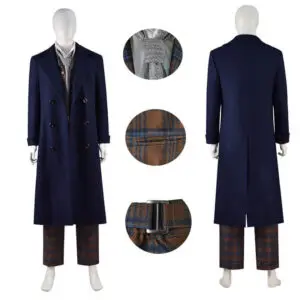
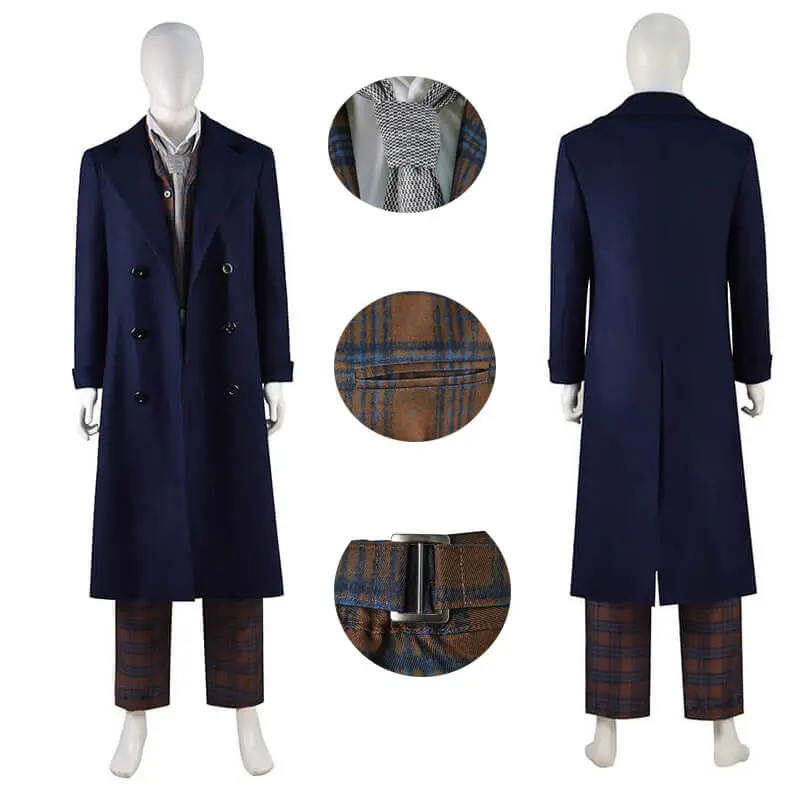
The HEROCOS 14th Doctor Cosplay Doctor Who Fourteenth New Coat Set Costume is one possible costume listing to evaluate. Its title identifies the listing, but the title alone does not settle which clothing configuration you should choose or whether an important detail is clear enough for your plan. Treat those as questions to resolve rather than making assumptions from the name.
For each open question, record three things: who can resolve it, what you will do next and the latest date when the answer would still help you make a decision. For example, you might need to inspect the available option descriptions yourself or ask for clarification about a detail that matters to your intended look.
Separate essential questions from optional preferences. An essential question could change whether you are willing to buy the costume at all. An optional preference might improve the final styling without determining whether the clothing can serve your purpose. Resolve the essentials first and keep optional refinements from delaying a decision unnecessarily.
Use GO, HOLD and SWITCH as distinct outcomes
At your review date, assign one of three statuses. GO means the essential purchasing decisions are resolved well enough for you to commit to the selected costume. It does not mean that the product's eventual arrival or performance is guaranteed; it means you have decided that the information available is sufficient for your own purchase decision.
HOLD means a critical answer remains pending, but your personal commitment deadline has not passed and you are willing to accept the remaining uncertainty for now. Record the next action and the date you will reassess it. HOLD is a temporary choice, not permission to keep extending your deadline indefinitely.
SWITCH means the commitment deadline has passed without the information you decided was essential. Stop making the unresolved costume the foundation of the occasion plan and move to the fallback you identified in advance. This is a positive decision to use a different route, not a failed purchase or an instruction to rush into another unverified order.
Do not confuse a seller's response with your decision. Receiving an answer is useful only if it actually resolves the question you asked. If the response leaves an essential choice ambiguous, the status remains HOLD while your decision window is open. Once the deadline passes, switch rather than pretending the uncertainty has disappeared.
- GO: the essential decisions are resolved; proceed with the selected plan.
- HOLD: a critical answer is pending and the personal deadline remains open; follow up and reassess.
- SWITCH: the commitment deadline has passed without the necessary answer; activate the existing-outfit fallback.
Worked hypothetical case: The 14th Doctor plan moves from HOLD to SWITCH
Initial inputs: A buyer wants to wear the HEROCOS 14th Doctor Cosplay Doctor Who Fourteenth New Coat Set Costume to a themed gathering. They choose a ready-by date based on the gathering, a personal commitment deadline before that date and an earlier review date. They also identify an outfit already in their wardrobe that could serve as their alternative.
Initial status: The buyer has not yet settled which listed clothing option they want, and they need clarification about a design detail that is essential to their intended look. The status is HOLD while they investigate and their commitment deadline remains open. They record the outstanding selection, the question about the design detail and the next action for each.
New information: Before the review date, the buyer resolves the clothing selection. However, the essential design detail remains unanswered. They reassess the plan against the original commitment deadline rather than treating the resolved selection as proof that every important question is settled.
Resulting status: The buyer keeps HOLD only while the commitment deadline remains open and they are still willing to accept the uncertainty. The deadline then passes without an answer to the essential design question. The status changes to SWITCH. Their definite decision is to stop relying on the unresolved purchase and use the existing outfit they identified in advance.
The decision does not depend on a delivery estimate, stock information or a prediction about when the seller might reply. It follows directly from the buyer's own dates and the fact that a required answer was not obtained in time.
Make the fallback a real decision, not a vague backup
Choose the fallback outfit before the review date arrives. Identify the clothing you already have, the occasion it needs to serve and the essential visual requirements it must meet. If the fallback is only an idea, you may find yourself making another uncertain purchase just when you intended to stop waiting.
A useful fallback is specific enough that you can name the clothing and explain why it is an acceptable alternative. You can still prefer the original costume. The fallback simply gives you a route that does not depend on an unanswered question about a new purchase.
Keep the two plans distinct in your notes: the intended costume and the already-available alternative. Do not treat optional accessories or a possible future purchase as confirmed parts of the fallback. If your existing outfit requires a new item to satisfy an essential requirement, that requirement remains unresolved until you have a dependable way to meet it.
At each review, ask one final question: has the information I need to make this purchase decision arrived, and is my personal commitment deadline still open? If yes, choose GO or HOLD according to the evidence. If no, SWITCH. The value of the method is that it makes the decision yours, instead of leaving it to an uncertain reply or an assumed purchasing outcome.
EXPLORE THE COSTUMES
Mentioned in this guide
View the current options, size information and selected price on each product page.