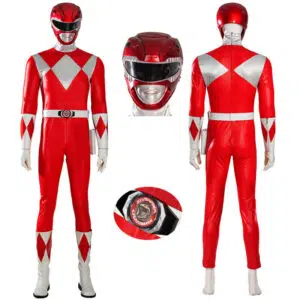
Cosplay Helmet or Full Costume? Decide How Much of the Character Look You Want to Recreate
A character helmet can be the centrepiece of a cosplay without necessarily completing the look you have in mind. Decide whether you want a helmet-led interpretation, a recognisable full-character recreation or a standalone display before committing to the rest of your outfit.
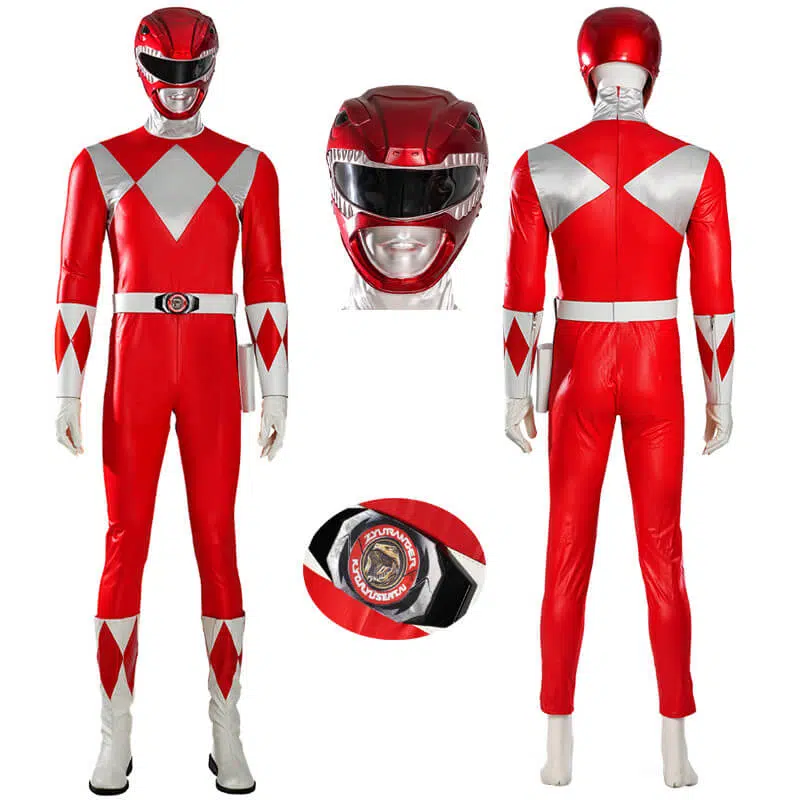
A recognisable character helmet can make an immediate visual statement, but buying one does not automatically mean you have completed a cosplay. The important question is what you expect the finished result to communicate. Perhaps you want a helmet-led interpretation that combines one distinctive character element with clothing you already own. Perhaps you want to recreate the character's complete appearance, with the helmet forming just one part of a larger outfit. You might even want the helmet primarily as a standalone costume display. These are three different creative goals, and each leads to a different purchasing decision. Before choosing a helmet, define the result you actually want and identify which clothing elements are necessary to achieve it.
Choose the level of character recreation first
Start by describing your intended cosplay in one sentence. Avoid beginning with the product you want to buy. Instead, describe the finished appearance you hope to create and what you want someone viewing it to recognise.
There are three useful routes. A helmet-led interpretation makes the helmet the main character reference while allowing you to develop the remaining clothing more freely. A full-character recreation aims to bring together the helmet and the other important clothing elements of a particular character appearance. A standalone display treats the helmet as the principal item, without requiring a complete wearable outfit.
None of these approaches is automatically better. The right one depends on your creative intention. The mistake is choosing one route in your imagination while purchasing according to another.
- Helmet-led interpretation: the helmet is the central visual reference, with supporting clothing chosen deliberately.
- Full-character recreation: the helmet and essential clothing elements must work together to communicate the intended character.
- Standalone display: the helmet itself is the intended result, rather than one component of a wearable outfit.
Build a visual brief around the costume, not the accessory
Once you have selected a route, write down the elements that make the intended appearance recognisable. Put the main clothing first, then identify the helmet's role. Separate the elements that are essential to your interpretation from details you would simply enjoy adding.
For a helmet-led look, your essential clothing might be a deliberate colour direction and an overall outfit silhouette that makes sense alongside the helmet. For a fuller recreation, you might identify a particular upper-body arrangement, lower-body clothing and other distinctive visual elements from your chosen reference. These requirements should come from the version you personally want to recreate, rather than assumptions about what every fan considers essential.
Now classify each element into three groups: already owned, represented by the helmet, and unresolved. This is more useful than writing a general shopping list because it reveals whether the proposed purchase actually advances the complete plan.
Keep wigs, footwear and props secondary at this stage. They can refine a finished concept, but they should not distract you from an unresolved main clothing requirement.
- Already owned: clothing you have deliberately selected for the intended interpretation.
- Represented by the helmet: the character element your proposed purchase is intended to provide.
- Unresolved: clothing or visual elements you still need to plan before the desired appearance is complete.
Test whether the helmet can stand on its own
The next decision is whether the helmet independently fulfils your chosen purpose. Imagine removing every planned accessory and considering the helmet alongside the clothing you already have. Does that combination communicate the helmet-led interpretation you intended? Or does it leave an obvious gap that matters to your concept?
For a full-character recreation, ask a stricter question: if the helmet were the only new purchase, would you still have a realistic route to the clothing appearance you want? If the answer depends on several unplanned purchases, the helmet is not yet a complete solution to your original objective.
For a standalone display, the decision is different. You do not need to justify the purchase by assembling a complete outfit if displaying the helmet is genuinely the goal. However, be clear about that intention before treating the helmet as a cosplay purchase.
The Power Rangers Red Ranger Helmet Adults Power Rangers Costumes listing is an example of a character-specific helmet purchase to consider. Its title identifies the item as a helmet, but your intended interpretation should determine what other clothing, if any, belongs in your plan.
- Would I still want this item if I did not complete the rest of the outfit?
- Does my existing clothing support the visual direction I have chosen?
- Am I purchasing the helmet because it fulfils my plan or because I have not yet decided what the plan is?
Worked hypothetical case: choosing between a helmet-led look and waiting
Consider a fictional shopper who is considering the Power Rangers Red Ranger Helmet Adults Power Rangers Costumes listing. Their initial intention is to recreate a complete Red Ranger appearance. They have already decided that the helmet should be part of the look, but have not planned the remaining clothing.
Initial status: the helmet is a potential purchase, the intended result is a full-character recreation, and the supporting clothing plan is incomplete. The shopper owns a red top and dark trousers that they believe could contribute to a simplified interpretation, but they have not yet decided whether that is the appearance they actually want.
They write down the visual requirements for both possible routes. The full-character route requires a more deliberate recreation of the clothing elements in their chosen reference. The helmet-led route allows them to use their existing red top and dark trousers as the foundation of an original simplified interpretation.
New information: after arranging their existing clothing together and reviewing their creative reference, the shopper realises that the simplified combination is the appearance they would genuinely enjoy wearing. They no longer require the complete recreation as their immediate objective. The existing clothing now has an established role in the revised concept rather than being an untested fallback.
Resulting status: the helmet-led interpretation has a defined purpose, the supporting clothing is already available, and the remaining full-character clothing requirements are no longer dependencies for this particular plan.
Decision: choose the helmet-led route. The shopper can proceed with the helmet as the central new purchase because the revised creative objective is achievable using the clothing they already own. They are not claiming that the helmet completes a full Red Ranger recreation; they have deliberately chosen a different level of interpretation.
- Initial goal: complete character recreation.
- Initial gap: supporting clothing is unresolved.
- New information: existing clothing has been deliberately selected for a simplified interpretation.
- Final goal: helmet-led cosplay.
- Definite decision: proceed with the helmet-led plan rather than purchasing the helmet under the assumption that it completes the original full-character concept.
Make the purchase decision match the finished concept
Before purchasing, return to your original one-sentence description and compare it with the route you have actually chosen. If the description still says full-character recreation but your plan only covers a helmet, you have an unresolved decision. Either identify a realistic clothing plan or deliberately revise the intended result.
If you are still comparing routes, write down what would need to change before you would feel comfortable committing to the fuller version. This might involve choosing the main clothing reference, identifying what you already own or deciding which elements are genuinely essential. Do not treat a future possibility as an item already accounted for.
The strongest helmet purchase is not necessarily the one that promises the most elaborate final appearance. It is the one that has a clear role in a costume concept you genuinely intend to create. Decide that role first, and let the remaining clothing follow from it.
EXPLORE THE COSTUMES
Mentioned in this guide
View the current options, size information and selected price on each product page.