One-Piece Cosplay or Separate Garments? Choose the Outfit-Building Approach
Before buying a cosplay costume, decide whether to build the look around one principal garment or assemble it from independently selected clothing. This outfit-dependency worksheet compares purchases, existing wardrobe pieces and unresolved decisions.
You have a clear idea of the cosplay outfit you want, but you have not decided how to purchase the clothing. Should you start with one principal costume garment and build around it, or assemble the look from independently selected pieces? These approaches create different shopping responsibilities. A principal-garment purchase gives you one central clothing decision to investigate, while a separates approach requires you to account for each garment individually. Neither is automatically better. The right choice depends on what your intended outfit needs, which clothing you already own and how many additional decisions each route introduces. Before opening multiple product listings, create an outfit-dependency worksheet. It will help you compare complete purchasing plans rather than choosing garments individually and hoping they eventually form the look you imagined.
List the essential components before browsing
Begin with a written description of the finished outfit. Concentrate on its essential clothing components rather than starting with a particular product. Depending on your concept, these might include a principal garment, an upper-body detail, a separate lower-body garment or an additional clothing layer.
Give every component one of three statuses: must be purchased together, can be selected independently, or already owned. These classifications describe your purchasing intentions, not guaranteed product contents. They help establish which parts of the outfit need new purchases and which could come from your existing wardrobe.
Be selective about what qualifies as essential. A decorative preference should not automatically become another required purchase. Likewise, do not mark an existing garment as suitable merely because its general appearance sounds appropriate. Consider whether it genuinely contributes to the particular outfit you want.
Your initial worksheet should therefore contain three things: the visual requirements, their current purchasing status and any question that could change your decision. Keep wigs, footwear and props in a separate supporting-items section. The main clothing should determine your purchasing approach.
- Purchase together: clothing you want covered by one principal purchasing decision.
- Select independently: garments you are prepared to source separately.
- Already owned: existing clothing you intend to assess and potentially retain.
- Still unresolved: requirements for which you have not established a suitable solution.
Compare two complete purchasing routes
Now write two possible plans using exactly the same essential components. Plan A uses one principal costume garment as the starting point. Plan B assembles the outfit from independently selected clothing pieces.
For Plan A, identify the main garment you would investigate and list everything that remains outside that purchase. Do not assume that a complete-looking product photograph establishes which components belong to the selected item. Any essential detail that still needs confirmation must remain visible on your worksheet.
For Plan B, assign every essential component to a separate garment or an existing wardrobe item. This approach can offer greater freedom in choosing individual clothing, but it also introduces additional purchasing decisions. Each separate garment needs its own investigation, and the proposed combination needs to be considered as a complete outfit.
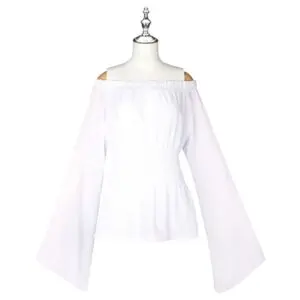
The HEROCOS Medieval Vintage Gown and Women's Renaissance Pirate Cosplay Blouse illustrate two differently named garment categories that might prompt different starting points when developing a fantasy-inspired outfit. Their titles identify the respective listings, not a verified combination or particular garment specifications.
Do not choose the route simply because it appears to involve fewer product pages. A principal garment might leave an important requirement unresolved, while separate garments might allow you to retain clothing you already own. Compare what each plan actually requires.
Use an outfit-dependency worksheet
The important question is how many purchasing decisions depend on one another. A separately assembled outfit may require you to investigate several garments and establish whether their intended arrangement meets your visual requirements. A principal-garment approach may reduce those independent selections, but it does not automatically resolve every remaining requirement.
Create a comparison with one column for each purchasing route. Under each, record the number of new clothing selections, existing items you can retain, unresolved combinations and any purchases that would duplicate something already accounted for.
Ask these questions while completing the comparison:
Which essential components are already accounted for? Which require new clothing? Does the route depend on several independently selected garments? Would an existing item need to be replaced? Is an important requirement being assumed rather than confirmed? Does the plan introduce an additional purchase that the alternative avoids?
Distinguish a missing component from an unresolved compatibility question. A missing component requires a purchasing decision. An unresolved compatibility question means you do not yet know whether the proposed clothing combination will achieve the intended result. Neither should be recorded as completed.
- New selections: count every independently purchased clothing item.
- Existing wardrobe: identify items that can genuinely remain in the outfit.
- Dependencies: record combinations and contents that still require investigation.
- Avoidable purchases: identify additional selections that another route would eliminate.
Worked hypothetical example: two routes to a fantasy outfit
Consider an explicitly hypothetical reader planning a fantasy-inspired outfit with three essential components: a principal garment, a distinctive upper-body detail and a supporting garment. The reader already owns a supporting garment and has rehearsed the intended combination, confirming that this existing item can be retained.
The initial status is incomplete but organised. The principal garment still needs to be purchased, the upper-body detail needs to be addressed, and the supporting garment is already accounted for.
Plan A uses one principal costume garment while retaining the existing supporting garment. The reader investigates the proposed principal garment and subsequently obtains confirmation that the chosen purchasing arrangement addresses the required upper-body detail. The resulting plan requires one new clothing purchase and retains the existing garment.
Plan B uses a separately purchased blouse and skirt. In this hypothetical design, the reader discovers during a rehearsal that the existing supporting garment cannot serve the role required by this particular combination. It is unsuitable for that requirement, although it remains perfectly usable elsewhere in the reader's wardrobe. The reader therefore needs to purchase a replacement supporting garment as well.
Plan B now requires three new clothing selections: a blouse, a skirt and a replacement supporting garment. Plan A requires only one new principal-garment selection. The new information makes the difference clear: the separates route introduces two additional clothing purchases that the principal-garment route avoids.
The resulting decision is to choose Plan A. Its essential components have been confirmed within the hypothetical scenario, and it preserves an existing wardrobe item without introducing unnecessary additional purchases. This example does not describe the contents or compatibility of any actual HEROCOS listing. It demonstrates how consistent purchase accounting can reveal which route better serves a particular outfit.
Settle the clothing approach before buying accessories
Once both routes have been evaluated, choose the one that preserves the intended appearance while leaving the fewest unwanted purchases and unresolved decisions. If neither plan has adequately addressed an essential component, keep the purchasing decision open until you have the information needed.
Investigate the selected principal garment or individual clothing pieces one at a time. Keep the exact listing, intended selection and outstanding questions together in your shopping notes. A product title can identify a candidate, but important purchasing decisions should be based on the information confirmed for the item you intend to select.
Only after the clothing approach is settled should you consider supporting items. A wig, footwear choice or prop should have a defined contribution to the finished look. It should not determine whether you purchase one principal garment or assemble several separate garments.
The best purchasing route is not necessarily the one with the largest collection of costume pieces. It is the one that accounts for every essential clothing requirement without introducing purchases that your existing wardrobe or another purchasing approach has already made unnecessary.
EXPLORE THE COSTUMES
Mentioned in this guide
View the current options, size information and selected price on each product page.