Cosplay Gift Buying: Confirm the Exact Costume Before You Purchase
A saved costume listing is not enough to make a confident gift purchase. Use a recipient-controlled verification sequence to settle the exact selection, distinguish existing ownership from pending purchases and decide when to buy, wait or let the recipient order.
Choosing a cosplay costume as a gift involves more than finding a character the recipient enjoys. Even when someone has mentioned a particular outfit, you still need to establish which exact costume they want, whether their preferred selection has changed and whether another purchase is already underway. These questions matter because wanting a costume, owning it and expecting to receive it are three different situations. A useful gift-buying method treats each as a separate decision rather than combining everything into one general question about whether the recipient likes the item. Follow four verification stages before purchasing. Each stage has a clear result, and an unanswered question keeps the purchase on hold. You can still preserve the surprise: the recipient controls the important clothing decisions, while you keep the actual gift presentation secret.
Stage one: Record the exact costume and recipient-selected option
Begin with the costume listing the recipient has personally selected. Ask them to send the exact product page rather than relying on a character name, a saved photograph or a description from an earlier conversation. A character can have several possible outfit interpretations, and a general reference does not establish which costume the person intends to wear.
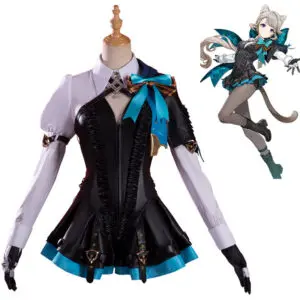
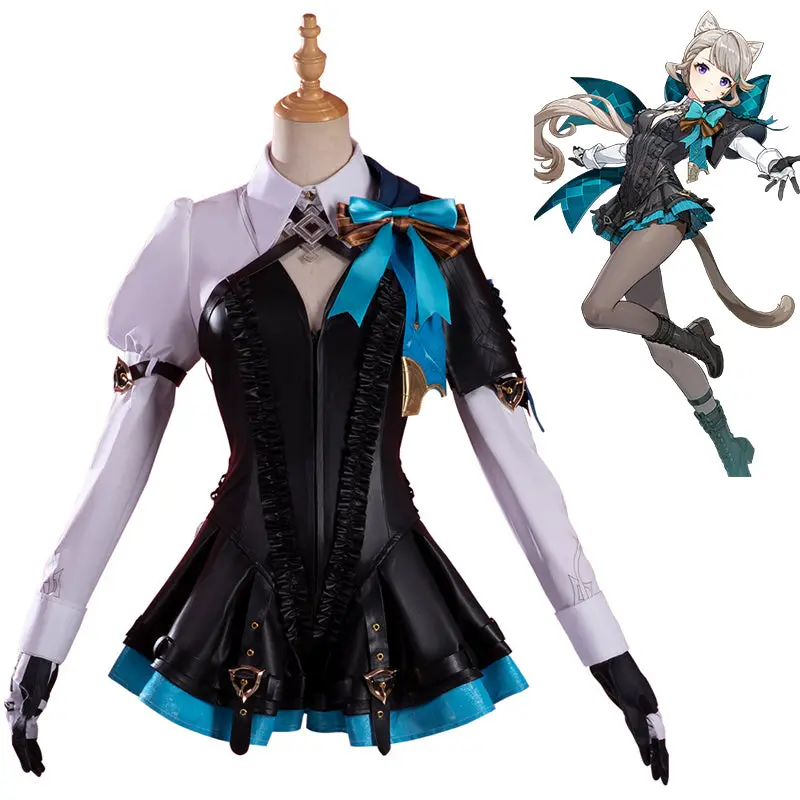
The HEROCOS Genshin Impact Lynette Cosplay Costume Magician Assistant Dress Halloween Party Suit is an example of a specific listing that could become a gift candidate. Its title identifies the costume, but the recipient must still decide whether this is the particular item they want.
Ask the recipient to identify the exact displayed selection they intend to choose, where the listing presents options. Record the complete option wording rather than shortening it to a character name. Also record any consequential choice they have not settled. If they want to make that choice themselves, leave it with them rather than selecting on their behalf.
Your first record should contain the listing, the recipient's selected option and any outstanding decisions. Mark the stage as selection confirmed only when the intended purchase is sufficiently clear.
- Exact listing: the product page personally selected by the recipient.
- Selected option: the complete choice they have approved.
- Outstanding decisions: anything they still want to decide themselves.
- Stage result: confirmed selection or clarification needed.
Stage two: Confirm that the recipient still wants this exact selection
A previously saved listing does not necessarily represent a current purchasing decision. The recipient might have changed their mind, found another interpretation or decided to postpone the cosplay project. Ask whether they still want the exact listing and selection recorded in stage one.
Make this a direct confirmation rather than interpreting enthusiasm as permission. Saying that a character is a favourite is different from approving a particular costume purchase. Likewise, sending a product page for consideration is not necessarily an instruction to buy it.
If the recipient has not decided, mark the selection as awaiting confirmation. If they approve the costume but want to settle an option later, record that distinction. The gift purchase should not proceed while a consequential selection remains unresolved.
This stage also gives the recipient an opportunity to withdraw or change their choice without feeling that they have disappointed the gift buyer. A thoughtful present should not depend on someone accepting a costume they no longer want.
- Confirmed: the recipient explicitly approves the exact selection.
- Changed: replace the earlier candidate with their newly selected listing or option.
- Unresolved: do not purchase until the recipient makes the decision.
Stage three: Separate ownership from pending purchases and other gift commitments
Once the recipient confirms what they want, investigate whether that particular purchase is already covered. Ask three separate questions: do they already own the costume, have they placed an order for it, or has somebody else committed to buying it for them?
These answers describe different situations. An existing costume is an ownership matter. An order that has already been placed is a pending purchase, even if the recipient has not received anything. A commitment from another person is a third-party gift arrangement that might not yet have become an order.
Do not classify all three as simply owned or not owned. If the recipient says someone else intends to buy the costume, establish whether that arrangement is still active before making another purchase. If they are unsure, keep the gift decision on hold until they can clarify it.
You do not need to collect private order information or personal account details to make this decision. A clear answer about the status of the exact costume is sufficient for your planning record. Keep the conversation focused on avoiding an unwanted duplicate rather than asking the recipient to disclose unnecessary information.
- Already owned: the recipient has the costume; do not purchase another as though it were missing.
- Already ordered: a purchase is underway; wait until its status is clarified.
- Another person buying it: establish whether that commitment is active before proceeding.
- No existing purchase or commitment: continue to the final approval stage.
- No clear answer: leave the purchase unresolved.
Stage four: Apply the final buy, wait or recipient-purchase rule
Bring the three earlier stages together before placing an order. A purchase is ready to proceed only when the exact costume and consequential selection are confirmed, the recipient still wants them, and there is no existing ownership, order or active third-party gift commitment that would create an unnecessary duplicate.
Use three possible decisions. Buy when every required confirmation is complete and the recipient has approved the gift purchase. Wait when an answer or existing arrangement remains unresolved. Let the recipient purchase the costume themselves when they prefer to retain control of the order or still want to make an important selection personally.
An unanswered message is not approval. Neither is an assumption that the recipient will appreciate a surprise more than they will appreciate having control over their costume choices.
You can keep the gift secret in other ways. The recipient can approve the costume without knowing the presentation, wrapping or moment of giving. Preserve the surprise around the gift rather than withholding information that could change whether the purchase is wanted.
- BUY: exact selection confirmed, still wanted, no duplicate or competing commitment, and gift purchase explicitly approved.
- WAIT: any essential answer is missing or an existing arrangement needs clarification.
- LET THE RECIPIENT BUY: the recipient wants to retain purchasing control or settle a consequential decision personally.
Worked hypothetical example: A Lynette costume gift
Initial situation: A buyer wants to surprise a friend with the HEROCOS Genshin Impact Lynette Cosplay Costume Magician Assistant Dress Halloween Party Suit. The friend has previously mentioned Lynette, so the buyer identifies this listing as a possible gift. At this point, the purchase status is clarification needed. Character interest alone does not establish an approved costume selection.
New information one: The buyer asks the friend to review the exact listing and identify the intended selection. The friend confirms that this is the costume they want. The listing and selection are now recorded, but the purchase remains on hold because the buyer has not yet established whether the friend is arranging to obtain it independently.
New information two: The friend explains that they are still deciding whether to purchase the costume themselves. The buyer does not interpret this as permission to order it. The status remains WAIT because a pending personal purchase decision could create a duplicate or remove the recipient's preferred control over the order.
New information three: The friend subsequently confirms that they have neither purchased nor ordered the costume, nobody else is buying it for them, and they explicitly approve the buyer purchasing the confirmed selection as their gift. All four verification stages are now complete.
Resulting status: The decision changes from clarification needed, through WAIT, to BUY. The buyer proceeds with the exact selection the friend approved. The surprise remains in how the gift is presented, not in choosing the costume without permission.
Alternative outcome: If the friend had instead reported an existing order, the decision would change to DO NOT BUY. The buyer would not place a second order simply because the costume had originally been intended as a gift. The final decision in the actual hypothetical sequence is to buy only after explicit approval and the duplicate check are complete.
EXPLORE THE COSTUMES
Mentioned in this guide
View the current options, size information and selected price on each product page.