Cosplay Project on Hold: Decide What to Freeze, Preserve or Revisit Before Restarting
Pausing an active cosplay project does not have to mean abandoning it or repeating every decision later. Use a freeze-and-restart record to preserve settled costume choices, isolate unresolved questions and establish exactly when your project should resume.
You have already chosen a cosplay direction, identified a costume and started making purchasing decisions. Then something interrupts the project. Perhaps you cannot settle an important clothing choice, need to reconsider your plans or simply cannot give the project attention right now. The danger is allowing a temporary pause to become an increasingly confusing collection of notes, abandoned shopping tabs and decisions you no longer remember making. Restarting can then feel like beginning from scratch. A better approach is to freeze the project deliberately. Preserve decisions that remain valid, identify questions that are still open and postpone anything that depends on those questions. Most importantly, decide what information would justify restarting. This gives you three distinct outcomes: pause the project with its decisions intact, resume when the necessary conditions are met, or close the project deliberately rather than leaving it indefinitely unfinished.
Create a freeze record around the exact costume
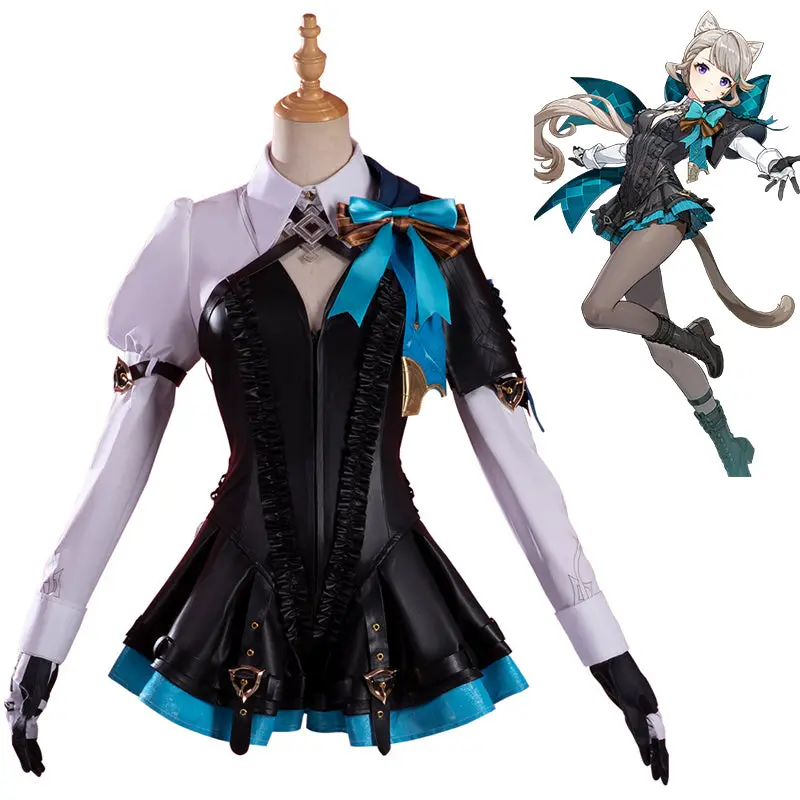
Start with the main costume you have been planning to purchase. Record its exact listing title, the character or creative direction and the reason you originally selected it. For example, the HEROCOS Genshin Impact Lynette Cosplay Costume Magician Assistant Dress Halloween Party Suit can be identified as the principal costume candidate in a project record. The listing identifies the product, but your personal creative decisions determine whether it remains appropriate for your intended outfit.
Next, write down the current project status and the reason for pausing. Avoid vague descriptions such as 'not ready yet'. Instead, identify the particular obstacle: an unresolved clothing decision, an undecided creative interpretation or another question that prevents you from confidently proceeding.
Record when you paused and what you were about to do next. This creates a useful reference point if you return to the project after a long period. You should be able to understand the plan without reconstructing the original conversation or remembering which shopping decisions were still pending.
- Project identity: exact costume listing and intended creative direction.
- Pause reason: the specific circumstance preventing progress.
- Last completed action: the most recent confirmed project decision.
- Next intended action: what you planned to investigate or decide.
- Current status: paused, awaiting information or closed.
Divide decisions into locked, unresolved and dependent
The most important part of a freeze record is distinguishing decisions by their relationship to the outstanding problem. A simple list of unfinished tasks does not explain which decisions can safely remain unchanged.
Locked decisions are choices you have already made that do not depend on the unresolved question. Preserve the exact costume candidate, your established character direction and any independently settled creative preferences. Do not reopen them simply because another part of the project is unfinished.
Unresolved decisions are questions you have deliberately left unanswered. Record each one separately, including what information or personal choice would settle it. An unresolved decision is not a failed decision; it is an acknowledged gap that should not be disguised as a commitment.
Dependent decisions are different. They might eventually be straightforward, but you cannot make them responsibly until an unresolved question has been answered. For example, a proposed additional clothing purchase might depend on which version of the intended outfit you ultimately choose. Keep that purchase out of the confirmed shopping plan until its dependency is resolved.
Use a short dependency note to connect the records. Write 'Decision B depends on Decision A' rather than simply listing both as outstanding. This prevents an apparently independent purchase from moving ahead when its justification has not yet been established.
- LOCKED: retain the exact Lynette costume candidate and established creative direction.
- UNRESOLVED: the specific outfit decision that has not yet been settled.
- DEPENDENT: any additional clothing purchase or styling commitment that requires the unresolved decision first.
Set a restart condition and a review trigger
A useful pause has an identifiable exit condition. Decide what must happen before the project becomes active again. This should describe an observable change, not simply a feeling that you might be ready someday.
For example, your restart condition might be that you have selected one intended outfit interpretation and recorded the essential clothing requirements. If that decision is the reason the project stopped, resolving it provides a meaningful reason to reopen the relevant purchasing questions.
Also establish a review trigger. This could be a personal planning review, a change in your creative direction or new information that affects one of your locked decisions. A review trigger does not automatically restart the project. It merely tells you when to inspect the record.
Avoid using an arbitrary review as permission to reopen every decision. The purpose is to identify whether anything important has changed. If the costume candidate and creative direction remain valid, preserve them. If the original idea no longer appeals to you, record that change and decide whether the project should be closed.
Finally, identify what would make you close the project. You might decide that you no longer want to portray the character or that the original creative concept is no longer relevant. Closure should be a deliberate decision, not an assumption based on how long the project has been inactive.
Worked example: Restart the Lynette project without starting over
Consider a hypothetical buyer planning a Genshin Impact Lynette cosplay using the HEROCOS Genshin Impact Lynette Cosplay Costume Magician Assistant Dress Halloween Party Suit. The buyer has already chosen the costume as their principal candidate and established the intended character direction. However, they cannot settle an important part of their intended outfit, so they decide to pause before making dependent purchases.
INITIAL STATUS: The costume candidate and creative direction are locked. The particular outfit decision remains unresolved. An additional clothing purchase that depends on that decision is postponed. The buyer records the reason for the pause and decides that the project will restart once the intended outfit interpretation is settled. They can still work on independent creative references without treating the shopping project as active.
NEW INFORMATION: Later, the buyer makes the outstanding creative decision and records the intended outfit requirements. The original Lynette costume candidate still represents the direction they want to pursue. The information needed to resolve the main dependency is now available.
RESULTING STATUS: The costume candidate remains locked rather than becoming a new selection exercise. The previously unresolved creative decision becomes confirmed. The dependent purchase can now be evaluated against the established requirements, while unrelated decisions remain untouched.
DEFINITE DECISION: Resume the Lynette project. Reopen only the clothing and purchasing decisions affected by the newly confirmed outfit direction. Do not repeat the original character selection, replace the costume candidate without a reason or purchase an additional item before establishing that it is actually needed. The project has moved from paused to active because its recorded restart condition was satisfied.
Choose one of three outcomes when reviewing the record
Every review should finish with a status decision. Otherwise, a freeze record becomes another document that accumulates unanswered notes without helping you move forward.
PAUSE means the original project remains worthwhile, but a necessary question or circumstance is still unresolved. Preserve the locked decisions and leave dependent purchases postponed. Update the next review trigger if necessary.
RESUME means the recorded restart condition has been met. Revisit only decisions affected by new information. Confirm that the original costume direction remains valid before proceeding with purchases.
CLOSE means you no longer intend to pursue the original project. Record the reason, identify any purchases that were never made and remove the project from your active planning list. You can retain the notes for reference without treating the old plan as an ongoing commitment.
The central principle is that inactivity does not invalidate a decision automatically. A project can remain paused without being abandoned, and restarting should require evidence that the reason for pausing has been resolved. With that distinction in place, your next cosplay session can begin with a clear decision rather than another complete round of planning.
EXPLORE THE COSTUMES
Mentioned in this guide
View the current options, size information and selected price on each product page.