Should You Buy Another Version of a Character You Already Cosplay? A Duplicate-Costume Decision Method
Already own a costume for your favourite character but tempted by another version? Use a version-separation test to decide whether the new purchase creates a genuinely different creative opportunity, replaces an existing outfit or simply duplicates something you already have.
Finding another costume for a character you already enjoy portraying can be tempting. Perhaps a different outfit catches your attention, or you start imagining another photograph, creative interpretation or character presentation. But liking a second costume does not automatically mean you need to purchase it. The important distinction is between owning two costumes that serve the same purpose and owning two that support genuinely different creative projects. Before adding another version of a familiar character to your shopping list, separate the character's identity from the particular outfit you already own. Then examine what the proposed purchase would allow you to do that your current costume cannot. A simple version-separation test helps you classify the second purchase as a meaningful addition, an alternative replacement or an unnecessary duplicate.
Record the character and exact outfit you already own
Start with your existing costume rather than the new listing. Record the character you portray and the precise outfit version represented by the clothing you own. These are two separate pieces of information: the character identifies who you are cosplaying, while the outfit version identifies the particular appearance you have chosen.
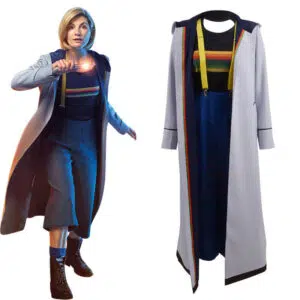
For example, someone might record their existing costume as Character: Thirteenth Doctor; Outfit version: the colourful Thirteenth Doctor appearance they originally chose. Another person might own a different appearance of the same character. Both entries can share a character identity without representing the same costume project.
Keep the record specific enough that you can distinguish your existing outfit from another candidate later. A general entry such as 'Doctor Who cosplay' is not particularly useful when you are considering a second costume of the same character.
- Character identity: who does the existing costume portray?
- Existing outfit version: which particular appearance does it represent?
- Ownership status: is this a costume you currently own?
- Current purpose: what creative project or presentation did you acquire it for?
- Existing commitments: which photographs, appearances or personal projects already involve it?
Give the proposed second costume a separate purpose
Next, identify the exact candidate you are considering. Record its listing title separately from the character name and your existing outfit description. This prevents two different clothing candidates from becoming one vague shopping decision.
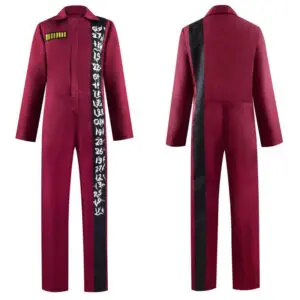
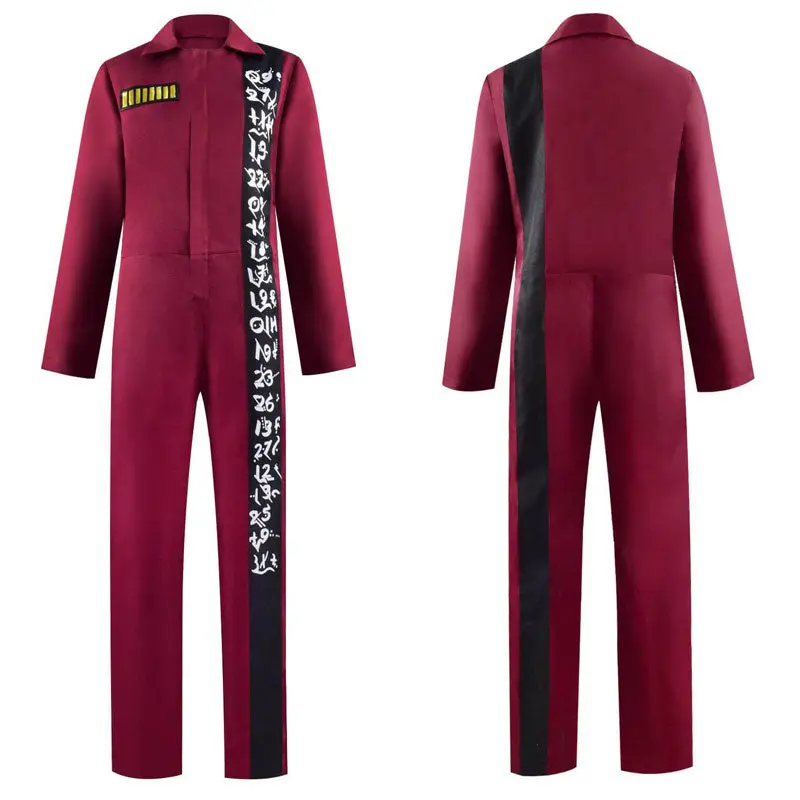
Consider two illustrative HEROCOS listings: the 13th Doctor Prison Suit Thirteenth Doctor Who Cosplay Costume and the Doctor Who Thirteenth 13th Doctor New Colorful Cosplay Costume. Both titles identify Thirteenth Doctor costume candidates, but the listing names alone should not determine whether purchasing both makes sense for your particular creative plans.
Write down what you actually intend to do with the proposed purchase. Perhaps you want another distinct character presentation, a separate creative project or an alternative outfit for a particular photographic concept. Be more precise than saying you simply like having choices.
A useful test is to imagine completing the intended project using only your existing costume. Would the result still satisfy your creative brief? If so, identify exactly what the second purchase adds. If you cannot describe that contribution, the additional purchase may not have a sufficiently distinct purpose.
- Does the candidate represent a genuinely different appearance?
- Does it support a separate creative project or presentation?
- Would your existing costume already achieve the intended result?
- Are you pursuing two distinct creative outcomes or simply collecting another version without a defined purpose?
Classify the purchase using three possible outcomes
Once you have compared the two purposes, assign the candidate one of three classifications. This makes the decision more useful than relying on a general feeling that another costume might be nice to own.
A meaningful addition supports a distinct creative intention. You can explain what the new costume represents and why the existing outfit does not fulfil exactly the same role. Both costumes can remain relevant to your wardrobe without competing for one identical purpose.
An alternative replacement serves a role you already have, but you have decided that another costume is now the better direction for that particular project. This does not necessarily mean the original costume must be discarded. It means you should recognise that you are changing an existing creative choice rather than automatically expanding your collection.
An unnecessary duplicate has no sufficiently distinct purpose. The proposed costume does not solve an identified creative need, and you cannot explain why owning it would meaningfully change what you can create.
Importantly, these classifications describe your purchasing intention, not the construction, contents or suitability of any particular product. Those questions should be investigated separately if you decide to proceed.
- Meaningful addition: a distinct appearance and a separately intended creative use.
- Alternative replacement: another candidate for an existing creative role.
- Unnecessary duplicate: no clear additional purpose beyond owning another costume for the same character.
Worked hypothetical case: Two Thirteenth Doctor costumes
Consider a hypothetical buyer who already owns a costume for the Thirteenth Doctor. They are considering two illustrative listings: the 13th Doctor Prison Suit Thirteenth Doctor Who Cosplay Costume and the Doctor Who Thirteenth 13th Doctor New Colorful Cosplay Costume. Their existing ownership record identifies the Thirteenth Doctor and the colourful outfit version they already own.
Initial status: the buyer owns one Thirteenth Doctor costume and has no established reason to purchase another. Both new listings are candidates rather than confirmed purchases. At this stage, the second purchase is classified as clarification needed because the buyer has not established its purpose.
They then write down two intended creative presentations. The first project uses their existing colourful Thirteenth Doctor costume for a planned character photograph. The second project is a separate prison-suit-inspired portrayal that they genuinely want to develop. They identify the prison-suit listing as the candidate for that second project.
New information: the buyer now has a distinct creative brief for each presentation. They are not planning to use the second costume merely as another version of the same photograph. They also establish that the existing costume does not fulfil the specific clothing direction they have chosen for the separate project.
Resulting status: the prison-suit candidate changes from an unexplained duplicate to a meaningful addition. The colourful costume remains assigned to its existing project, while the proposed second costume has a different intended role.
Definite decision: the buyer decides that pursuing the second costume is justified because it supports a separate creative project they genuinely intend to undertake. They proceed with further checks on the exact listing before purchasing. If the second project had remained only a vague possibility, the correct decision would instead have been to defer the purchase. This example illustrates a hypothetical planning decision, not verified product features or included pieces.
Make the purchasing decision before expanding the project
Before proceeding, write one sentence explaining why the second costume deserves its own place in your wardrobe. If the explanation depends on a separate appearance, project or creative result, keep that purpose attached to the candidate throughout your shopping process.
If the candidate is an alternative replacement, record that honestly. Avoid treating every replacement idea as an additional wardrobe requirement. If it is an unnecessary duplicate, remove it from your active purchase list rather than repeatedly reconsidering it without new information.
You can also establish a simple review trigger. For example, reconsider a deferred candidate when you have a concrete project brief or have decided to develop a particular new presentation. A saved listing alone should not automatically reactivate the purchase.
The final question is straightforward: does this second costume give you a distinct reason to own it? When you can explain that reason clearly, you have a meaningful purchasing decision. When you cannot, enjoying the character you already cosplay may be reason enough to keep your existing costume as your only active purchase.
EXPLORE THE COSTUMES
Mentioned in this guide
View the current options, size information and selected price on each product page.