One Cosplay, One Occasion or Several? Decide Whether a Purchase Has Enough Planned Uses
Considering a costume for one particular occasion? Before purchasing, separate confirmed plans from possible future appearances. A planned-use commitment ledger helps you decide whether one meaningful project justifies buying now or whether waiting makes more sense.
Sometimes you find a cosplay costume that seems perfect for one particular occasion. You can picture the photographs, the creative project or the character presentation you want to create, but you are unsure whether buying an entire costume for one planned appearance makes sense. It is easy to justify a purchase by imagining all the other occasions when you might wear it. However, possible future uses are not the same as actual plans. A costume might eventually become part of another photograph or creative project, but that possibility should not automatically influence today's purchasing decision. Instead of estimating how many times you might wear an outfit, create a planned-use commitment ledger. Record the main purpose, distinguish genuine commitments from ideas and decide whether the primary project is valuable enough on its own. Your outcome should be one of three clear choices: buy, wait or use an existing outfit.
Start with the primary occasion, not imagined future uses
Choose the exact costume candidate and identify the main occasion or creative project that has prompted your interest. This is your primary intended use. Describe it specifically enough that you can explain why the costume matters to that particular plan.
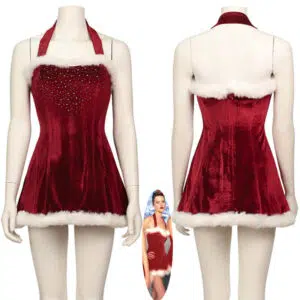
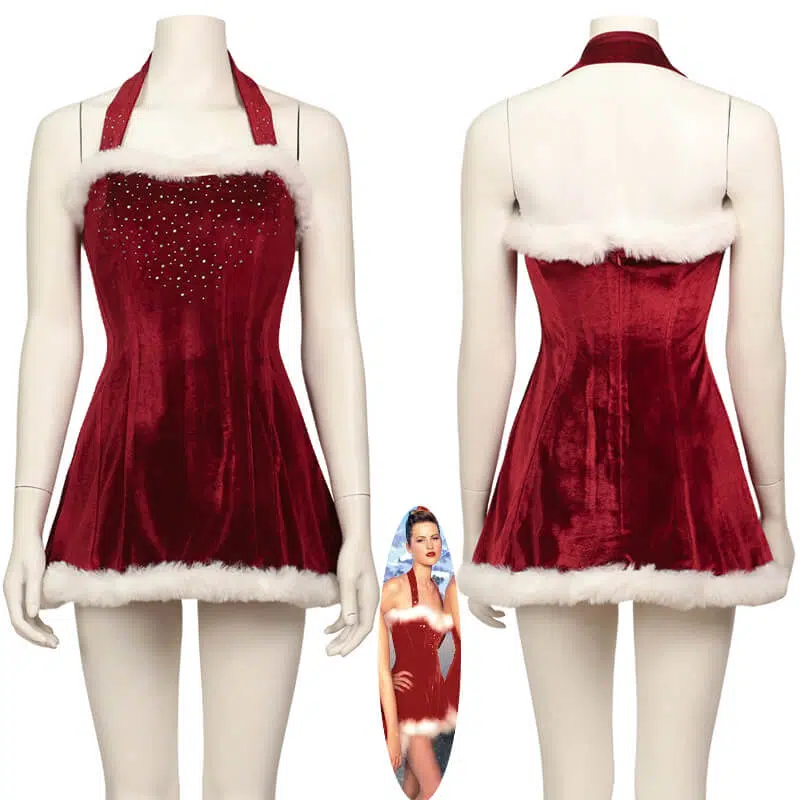
For example, someone considering the HEROCOS 2023 Love Actually Christmas Costume Dress with Cape Adults might be planning a Christmas-themed creative project. The listing title identifies the costume candidate, while the buyer's own brief establishes what they want to create with it.
Write down what the primary project involves, what result you want and whether you have genuinely committed to pursuing it. Do not begin by counting every possible occasion that might eventually become relevant.
A costume should not need an impressive number of imagined future appearances to justify a purchase. If one important creative project is sufficient motivation, recognise that directly. Equally, if the purchase only seems worthwhile because you have invented several possible future uses, acknowledge that uncertainty before proceeding.
- Candidate: record the exact costume listing.
- Primary purpose: identify the specific occasion or creative project.
- Intended result: describe the appearance or creative outcome you want.
- Commitment: establish whether this is an actual plan or simply an idea.
Build a planned-use commitment ledger
Create one entry for every intended use of the proposed costume. Give the primary occasion its own row, then add any genuinely separate projects you are considering. Do not count several photographs from the same project as several independent reasons to purchase the outfit.
Assign each entry one of three statuses. Confirmed means you have made a definite commitment to that use. Actively planned means you are developing a concrete project but have not settled every part of it. Imagined means you can picture using the costume that way, but there is no actual plan behind the idea.
The distinction matters because an imagined use should not carry the same weight as a project you have already decided to pursue. A long list of possibilities can make a purchase appear more useful than it currently is.
Keep the ledger focused on the costume itself. A wig, footwear or prop might support one presentation, but buying additional accessories does not establish another independent reason to own the main clothing.
- Confirmed: a specific use you have committed to pursuing.
- Actively planned: a real project under consideration with further decisions outstanding.
- Imagined: a possible future use without a concrete commitment.
- Review note: record what new information would turn an unconfirmed idea into an actual plan.
Decide whether one use is enough
Review the ledger without counting the imagined entries as established benefits. Concentrate on the primary project and ask whether you would still want the costume if every speculative future use disappeared.
If the answer is yes, the purchase may be justified by its primary purpose alone. You do not need to manufacture additional occasions to make a meaningful creative decision. The important point is that you understand what you are buying the costume for.
If the answer is no, identify which actively planned project would change your decision. Consider whether that project is genuinely developing or whether it is simply another possibility you have added to the list.
Finally, compare the candidate with clothing you already own. If an existing outfit can fulfil the primary purpose, buying another costume may not solve a meaningful problem. This is not a judgement about whether the new costume is attractive. It is a decision about whether another purchase is necessary for the result you want.
- BUY: the primary purpose is sufficiently valuable on its own, and the purchase has a clear role.
- WAIT: the decision depends on speculative future uses or unresolved project commitments.
- USE AN EXISTING OUTFIT: your current wardrobe already provides a suitable route to the intended result.
Worked hypothetical case: A Christmas costume with uncertain future uses
Imagine a buyer considering the HEROCOS 2023 Love Actually Christmas Costume Dress with Cape Adults. They are planning a particular Christmas-themed creative project and are deciding whether one intended appearance is enough reason to purchase the costume.
Their initial ledger contains four entries. The primary Christmas-themed project is confirmed. A seasonal photograph is actively planned. A future themed gathering is imagined, and another possible creative project is also imagined.
Initial status: the buyer is considering the purchase, but they are uncertain whether it has enough planned uses. Their first impression is that four potential appearances make the costume worthwhile. However, only one use is confirmed, and the two imagined projects are not actual commitments.
They apply the primary-purpose test and remove the two imagined uses from the justification. They then review the confirmed project independently. They decide that completing this particular creative project is important enough to justify the costume even if no additional occasion ever happens. The seasonal photograph remains an actively planned secondary use rather than an assumed certainty.
New information: the buyer has clarified that the primary project alone is sufficient motivation. They also establish that their existing wardrobe does not provide the particular costume direction they have chosen for that project.
Resulting status: the ledger now supports a purchase decision without relying on speculative future usefulness. The primary use is confirmed, the photograph remains actively planned and the other two ideas remain imagined.
Definite decision: BUY. The buyer decides to proceed with further checks on the exact costume listing because the confirmed primary project independently justifies the purchase. They do not count the two imagined appearances as additional benefits. If the primary project had not justified the purchase, their decision would have been WAIT until another genuine use became established. This is a hypothetical decision exercise, not a claim about the costume's construction or contents.
Set a review trigger for deferred purchases
A WAIT decision should have a clear reason and a defined point for reconsideration. Otherwise, a deferred costume can remain on your shopping list indefinitely, returning to your attention whenever you see it again.
Write down the specific information that would change your decision. It might be confirmation that you are actually undertaking another creative project, a definite decision about the occasion or a clearer understanding of whether your existing clothing can meet the intended brief.
Choose a review trigger rather than automatically revisiting the listing whenever you browse. For example, you might agree to reconsider the costume when the additional project becomes an active commitment. Until then, the candidate stays deferred.
For a USE EXISTING OUTFIT decision, record which clothing you intend to wear and why it meets the primary project's requirements. This gives you a practical alternative rather than leaving the original purchase unresolved.
The purpose of the ledger is not to make every costume justify itself through repeated wear. It is to help you recognise the difference between a purchase you genuinely want for one meaningful occasion and one you are trying to justify through possibilities that may never become plans. Once you have made that distinction, your next step becomes much easier.
EXPLORE THE COSTUMES
Mentioned in this guide
View the current options, size information and selected price on each product page.