Buying Cosplay for a Child: Balance the Wearer’s Choice with the Buyer’s Decision
When a child wants one cosplay and the adult buying it prefers another, choosing a costume becomes a shared decision. Use a two-person agreement to protect the child's creative preferences while keeping purchasing responsibilities clear.
Buying a cosplay costume for a child can involve two different opinions about the same purchase. The child might have a particular character or costume in mind, while the adult responsible for buying it has a different creative preference or needs to establish practical boundaries. Neither perspective should automatically replace the other. The child is the intended wearer and should have a meaningful say in the appearance they want. The adult is responsible for deciding whether the proposed purchase falls within the boundaries they can accept. A useful solution is a two-person decision agreement that separates creative preferences from purchasing responsibilities. Rather than allowing enthusiasm or authority to settle every disagreement, both people establish what they want, identify what must be agreed and confirm the exact costume together before the purchase proceeds.
Separate the wearer's creative choice from the buyer's responsibility
Start by recognising that the child and adult are answering different questions. The child is deciding what they want to portray and which costume appeals to them. The adult is deciding what purchase they are prepared to make and which practical considerations need to be resolved before proceeding.
These responsibilities overlap, but they are not interchangeable. An adult choosing a costume simply because they prefer its character can leave the child wearing something they did not actually want. Equally, a child's initial enthusiasm does not automatically settle every question that belongs to the adult purchaser.
Begin with two independent descriptions. Ask the child to explain their preferred character, costume concept and the appearance they most want. Let them describe it in their own words rather than presenting a selection of adult-approved alternatives immediately.
The adult should separately record the purchasing boundaries they are responsible for evaluating. These might include the intended spending limit, whether the purchase is appropriate for the planned use, which unanswered product questions need clarification and whether the proposed purchase is acceptable to the person responsible for it.
Keep these descriptions separate initially. The purpose is to understand the disagreement accurately before trying to resolve it.
- Child's responsibility: Explain the desired character, costume concept and preferred appearance.
- Adult's responsibility: Establish purchasing boundaries and evaluate practical questions.
- Shared responsibility: Confirm the exact intended costume before proceeding.
- Important distinction: A purchasing boundary is not permission to silently substitute a different creative choice.
Build a two-person decision agreement
Once both preferences are recorded, organise the decisions into three categories. This prevents a disagreement about creative taste from becoming confused with a genuine purchasing limitation.
The first category is shared agreement. These are decisions that both people must accept, particularly the identity of the intended costume and whether the proposed purchase can proceed. Neither person should treat this section as approved while an essential disagreement remains.
The second category contains child-controlled creative preferences. These include the character the child wants to portray, the general appearance they enjoy and the creative details they consider important. The child should have a genuine opportunity to explain these preferences and should not be expected to approve an unrelated replacement merely because an adult prefers it.
The third category contains adult-controlled purchasing boundaries. The adult determines whether the purchase is within their budget and whether the practical requirements they are responsible for can be resolved. They can decline a purchase that does not meet those boundaries, but should explain the reason rather than disguising a purchasing restriction as a creative decision.
Use the agreement to identify where the two perspectives already match and where discussion is necessary. The aim is not to give both people identical responsibilities. It is to make sure each person has a clear role in reaching the final decision.
- Shared agreement: Exact costume identity, acceptable purchase and final approval.
- Child-controlled preferences: Character, intended appearance and creative priorities.
- Adult-controlled boundaries: Spending decision, purchasing conditions and unresolved practical requirements.
Resolve disagreements without replacing the child's choice
A disagreement should be described precisely. Saying that an adult dislikes a costume is different from saying that the proposed purchase falls outside an agreed budget. Likewise, a child preferring one character over another is a creative preference, not automatically a practical objection.
Ask what specifically prevents agreement. If the adult is concerned about the purchase itself, discuss the relevant boundary. If the child is unhappy with an alternative character, return to the original creative preference rather than asking them to accept the replacement without discussion.
Sometimes the solution is to keep the child's preferred concept while adjusting an aspect of the proposed purchase that both people are willing to reconsider. However, any alternative costume must receive the child's approval as a new creative choice. It should not be presented as though the child already agreed to it.
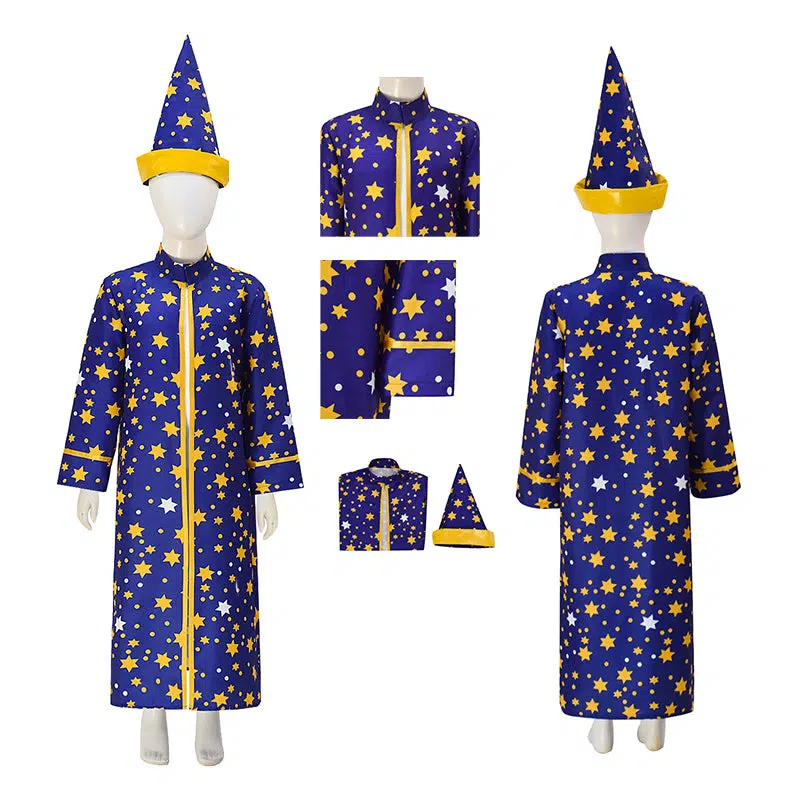
A product listing can provide a concrete starting point for the conversation. For example, the HEROCOS Unisex Kids Wizard Cloak with Stars Cape And Hat Witch Cloak gives a family a named costume reference to discuss. Its title identifies the listing, but the adult and child should still establish whether this is the exact costume they intend to select and whether their other purchasing questions have been resolved.
If an essential disagreement remains, pause. An unresolved purchase is better than an agreement in which one person believes a different costume has been approved.
- Identify the disagreement: Creative preference, purchasing boundary or unanswered product question.
- Discuss the actual issue rather than arguing about who has the stronger preference.
- Let the child approve any proposed creative alternative.
- Pause if the adult and child cannot agree on the intended purchase.
Worked hypothetical case: A child wants a wizard costume
Initial status: Imagine a child who wants to dress as a wizard and particularly likes the HEROCOS Unisex Kids Wizard Cloak with Stars Cape And Hat Witch Cloak. The adult responsible for purchasing the costume prefers a different costume concept. At this stage, the proposed purchase is not approved because the two people have not agreed on what should be bought.
New information: The child explains that the wizard idea is the part they genuinely want to portray and identifies the Unisex Kids Wizard Cloak with Stars Cape And Hat Witch Cloak as their preferred listing. The adult separately explains their purchasing boundaries and identifies the practical questions they need resolved before buying. Both now understand that the disagreement is about creative preference rather than a confirmed reason the proposed purchase cannot proceed.
They discuss the difference between the child's desired character and the adult's preferred concept. The adult agrees to evaluate the wizard costume against the established purchasing boundaries rather than substituting their preferred alternative. The child confirms that the named wizard costume remains their choice.
Resulting status: The original disagreement has been resolved. The child has selected the intended creative concept, and the adult has evaluated the purchase within their responsibilities. They review the exact listing together, confirm that it is the costume they both intend to proceed with and settle the outstanding purchasing questions. Both explicitly approve the same proposed purchase.
Definite decision: Proceed with the mutually approved wizard costume. The adult makes the purchase only after the shared confirmation. The child retains their creative choice, while the adult retains responsibility for the purchasing decision. The agreement is confirmed because both people have approved the same exact costume, not because either person has simply given in.
- Initial status: Clarification needed; child and adult prefer different costumes.
- New information: Child identifies the exact preferred listing and adult establishes purchasing boundaries.
- Resolved issue: Both agree on the wizard concept and intended listing.
- Final status: Confirmed shared approval; the adult can proceed with the agreed purchase.
Make the final costume approval explicit
Before buying, repeat the exact costume name and ask both people to confirm that they mean the same item. A general agreement to buy a wizard costume is less useful than agreement on the specific listing they have discussed.
The child should have the opportunity to confirm that the character and appearance still match what they want. The adult should confirm that the purchase remains within the established boundaries and that any essential questions have been addressed.
Keep the final approval simple. Record the costume name, the child's confirmed preference, the adult's purchasing approval and any agreed decisions about the intended use. Supporting items such as wigs, footwear and props should remain separate decisions rather than being treated as automatic additions to the costume purchase.
If the child changes their mind before the purchase, revisit the creative choice. If the adult discovers that an essential purchasing boundary cannot be met, explain that and pause. Neither person should treat an earlier conversation as permanent approval of a different item.
A good shared decision does not require the adult to like the child's costume more than their own suggestion. It requires the child to feel heard and the adult to remain comfortable with the purchase they are responsible for making. When both conditions are met, choosing a cosplay becomes a collaborative decision rather than a contest over who gets the final say.
EXPLORE THE COSTUMES
Mentioned in this guide
View the current options, size information and selected price on each product page.