Before the Convention: A Costume Movement Checklist
Rehearse sitting, walking, carrying a bag and taking a break in your full costume before packing for an event.
A costume can look ready in a mirror while still being awkward to wear through a convention. Before packing it, rehearse the ordinary parts of your day: sitting down, reaching for your phone, carrying a bag and putting the outfit back on after a break. This is a practical checklist for your own costume, rather than a claim that any particular garment has been wear-tested by HEROCOS.
Choose the day you are dressing for
Write down your main plans: a short photo session, several seated panels, browsing the exhibition floor, or a mixture. Include the journey between your accommodation and the venue. A look that works for a few photographs may need a simpler accessory arrangement for the rest of the day.
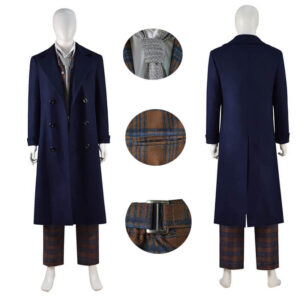
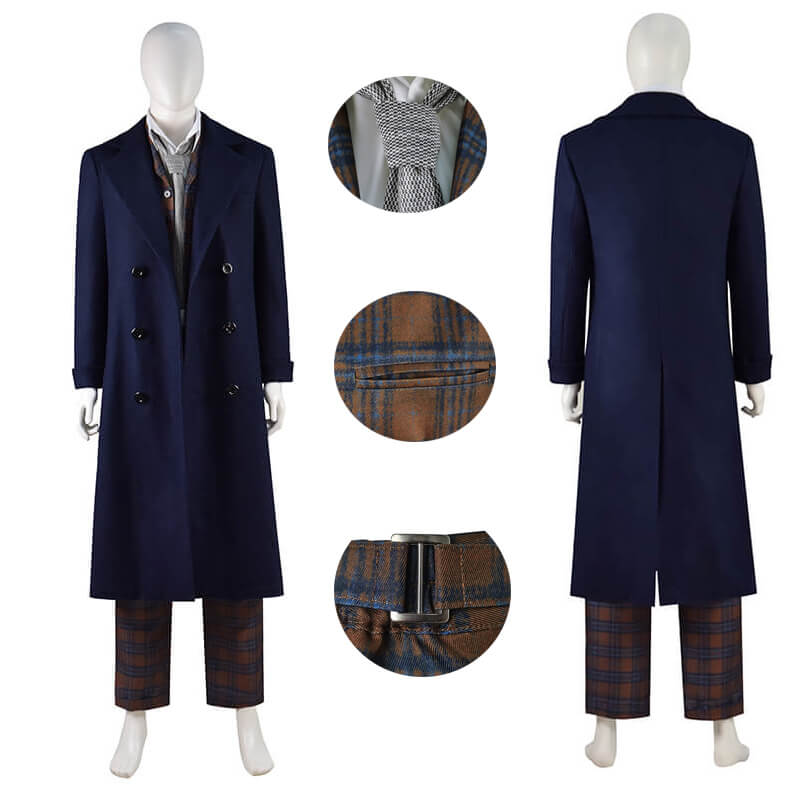
Keep the costume itself at the centre of your plan. For a coat-based character, such as the 14th Doctor costume, decide which layers you intend to wear together before testing movement. The listing has different style options; use the option you actually plan to order, rather than assuming every photograph represents the same set.
Run a short movement rehearsal
Try the finished combination with the footwear, underlayers and bag you intend to use. Move normally and stop if a movement pulls on a seam, catches a fastening or makes you unsteady. Do not force a restricted movement to make a test pass.
- Sit and stand: check where coat tails, skirts and belts fall when you use a chair.
- Reach forward: try holding your phone and reaching a bag compartment without pulling a sleeve tight.
- Turn and walk: check whether trailing fabric or accessories catch on your shoes or bag.
- Use your hands: try your ticket, phone and fastenings with any gloves you intend to wear.
- Take a break: work out which pieces you can remove and where you will keep them.
Record a specific problem and a possible change. “The strap catches the sleeve” is more useful than “the outfit is uncomfortable.” Try a different bag position or a simpler accessory combination, then repeat the affected movement. For a fit problem, contact the seller before altering the garment.
Leave a practical place for your essentials
Do not assume a costume has working pockets. Check the actual garment, then plan a bag for the items you need. Keep access to your badge and phone straightforward. If a belt or outer layer covers the bag opening, change the arrangement before event day.
Take a front, side and back photo of the full outfit. Use the pictures to spot a twisted layer, a strap crossing an important costume detail or an accessory that has slipped. These are your own rehearsal notes, not a reason to expect an exact colour match between a screen image and the garment.
Check the organiser before adding a prop
Costume shopping and event admission are separate decisions. Read the rules for the exact event and venue you will attend. For example, Comic-Con’s convention policies currently require daily inspection of costume props and state that final approval rests with its Prop Safety Officers. That is an event-specific example, not a universal rule or an assurance that an item will be admitted. Recheck the organiser’s page close to your visit.
Finish with a packing note
List the costume pieces in dressing order, the accessories you have tested and any unresolved fit questions. Keep your order information accessible. If you are still choosing a costume, browse Movie & TV Costumes and use the product’s current options to build your plan. For questions about a particular garment, contact HEROCOS with its link and the movement or measurement you need to confirm.
EXPLORE THE COSTUMES
Mentioned in this guide
View the current options, size information and selected price on each product page.