Cosplay Gift Buying: Keep a Wishlist Current and Prevent Duplicate Purchases
A recipient-approved cosplay wishlist can become outdated between the original conversation and the purchase. Learn how to maintain selection records, track changing purchase statuses and establish a simple confirmation routine that protects the surprise without risking an unwanted duplicate.
A cosplay costume can be the perfect gift candidate when someone adds it to a wishlist, but an earlier expression of interest does not guarantee that the purchase is still appropriate. The recipient might have changed their preferred selection, bought the costume independently or started arranging another purchase. Even a carefully confirmed wishlist can become outdated if nobody checks it again.
Instead of treating a wishlist as a permanent shopping instruction, turn it into a maintained record of the recipient's current intentions. This gives you a straightforward way to decide whether to buy, pause or remove a candidate from consideration. The recipient retains control over the costume and its important choices, while you can still keep the actual gift presentation secret.
Create a wishlist entry that can be updated
Begin with the exact costume listing selected by the recipient. Record its complete name, the product page and any particular purchase option they have personally chosen. If an option or another consequential decision remains unresolved, write it down rather than treating the entry as ready to purchase.
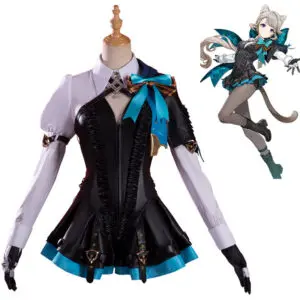
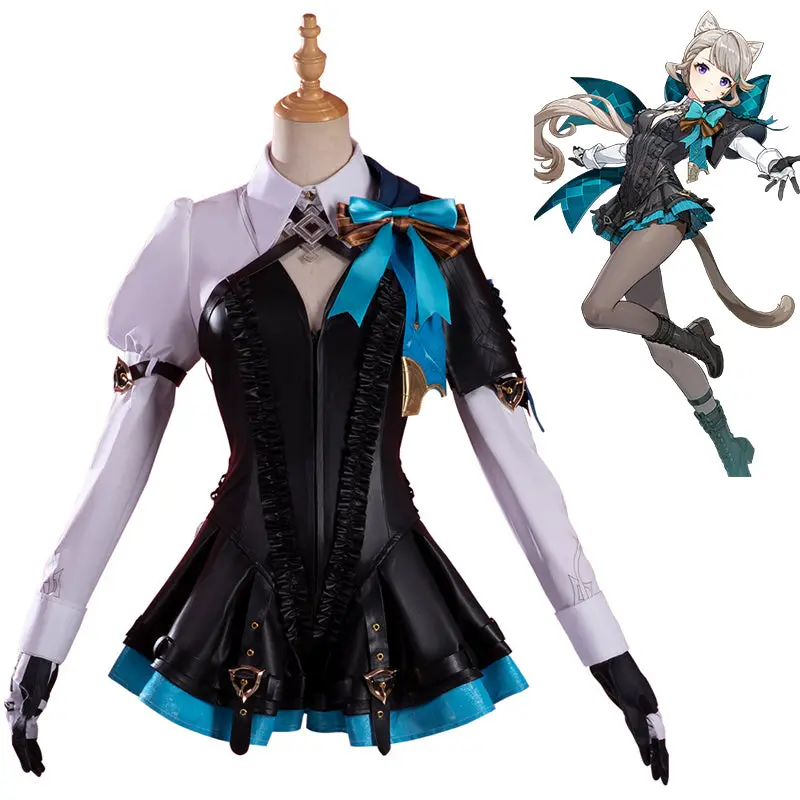
For example, the HEROCOS Genshin Impact Lynette Cosplay Costume Magician Assistant Dress Halloween Party Suit can be recorded as a gift candidate. Its listing title identifies the product, but the recipient must establish whether this is the costume they want and settle any relevant selection themselves.
Give every entry a few additional fields: the recipient's preferred selection, the last confirmation date, current purchase status, outstanding decisions and the agreed next review point. Keep personal measurements and unnecessary order information out of a shared gift record.
- Exact costume: the recipient-approved listing.
- Selection: the complete option wording confirmed by the intended wearer.
- Last confirmed: when the recipient last checked their preference and purchase status.
- Current status: one clearly defined purchasing stage.
- Next review: when or under what circumstances another confirmation is appropriate.
Use purchasing statuses instead of a simple yes or no
A useful wishlist distinguishes five situations. Each status should produce a specific next action rather than leaving you to interpret an ambiguous message.
Clarification needed means the recipient has not settled the exact costume, selection or another important choice. Do not purchase it yet. Wanted but not owned means the recipient has confirmed the intended item and selection, checked their existing ownership and confirmed that they have not already ordered it. This is the strongest indication that the gift remains a suitable candidate.
Already owned means the recipient has the costume, so another purchase is unnecessary unless they explicitly describe a separate reason for wanting another. Already ordered means a purchase is already underway and should be treated as a duplicate risk. Actively being purchased means the recipient or someone else is currently arranging the same item, even if an order has not yet been confirmed.
These statuses should not be interchangeable. In particular, an item that is wanted is not necessarily available as a gift opportunity. Purchase intent and completed ownership are different pieces of information.
- Clarification needed: pause and ask the recipient to resolve the outstanding choice.
- Wanted but not owned: eligible for the buyer's final confirmation.
- Already owned: do not purchase another without a separate explicit request.
- Already ordered: mark do not buy.
- Actively being purchased: pause until the recipient clarifies the situation.
Set a confirmation routine and a rule for outdated information
Agree with the recipient how wishlist updates will work. For example, they might agree to notify you when they buy something themselves, change a preferred costume or start arranging a purchase with somebody else. You can also agree on a suitable occasion to ask whether an older wishlist entry remains current.
Record the date of the last confirmation and avoid treating it as indefinite permission. The appropriate review interval is a personal agreement, not a universal number of days. A costume the recipient confirmed recently can still become unavailable as a gift candidate if they make a purchase shortly afterwards.
Use one simple rule: if a consequential choice or purchasing status has changed, the previous approval no longer authorises a new purchase until the recipient confirms the updated situation. If you cannot obtain that confirmation, pause. Do not interpret silence as permission.
You can preserve the surprise by keeping the gift presentation confidential. The recipient does not need to know when or how you intend to present it, but they should control the costume selection and the information needed to avoid duplication.
- When the recipient changes a selection, replace the old selection with the newly confirmed one.
- When the recipient orders the costume, immediately change its status to already ordered.
- When another person is arranging the same gift, pause and clarify who is purchasing it.
- When the last confirmation becomes outdated, request a new status check before proceeding.
Worked hypothetical example: One approved costume, one purchase to avoid
Consider a fictional gift-buying situation involving two possible HEROCOS costume candidates. The recipient has added the Genshin Impact Lynette Cosplay Costume Magician Assistant Dress Halloween Party Suit to their wishlist, but the initial record is marked clarification needed. The exact intended selection and current purchase status have not yet been confirmed.
The buyer asks the recipient to identify the exact listing and settle the relevant purchase choices personally. The recipient confirms the intended selection, checks their wardrobe and confirms that they do not already own it or have another order underway. The Lynette entry changes from clarification needed to wanted but not owned. It is now an eligible gift candidate, subject to the final status check.
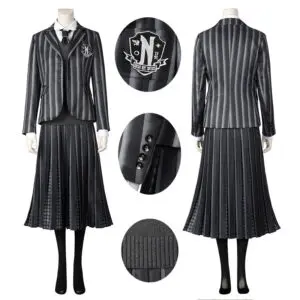
The same recipient also identifies the HEROCOS The Addams Family Wednesday Cosplay Costume Nevermore Academy School Uniform Halloween Outfit as an alternative they had previously considered. During the ownership and purchase-status conversation, they explain that they have already ordered that costume themselves. Its entry changes from an outstanding candidate to already ordered, with the buyer's action recorded as do not buy.
Before purchasing the Lynette costume, the buyer checks again. The recipient now explains that they have independently ordered the Lynette costume too. Its status changes from wanted but not owned to already ordered. The buyer does not purchase either costume. Instead, they ask the recipient to identify another wanted item or leave the gift decision open until a future confirmation.
The definite decision is to buy neither costume. The initial approval was genuine, but the later information changed the purchasing situation. The buyer preserves the surprise of the eventual gift without turning an outdated wishlist entry into a duplicate.
Make the wishlist useful after the gift decision
A maintained wishlist should reflect the recipient's current intentions rather than become a collection of permanently approved purchases. When an item is bought, ordered independently or no longer wanted, update its status instead of leaving it among active gift candidates.
Keep a short history of important changes where it helps explain a decision. For instance, recording that a costume changed from wanted but not owned to already ordered makes it clear why the buyer stopped considering it. You do not need to preserve every conversation or collect unnecessary personal information.
Finally, let the recipient nominate another costume when a candidate becomes unsuitable. A new selection should go through the same recipient-controlled confirmation process. That is more considerate than independently substituting another character or outfit because it seems similar.
The best gift wishlist is not the longest one. It is the one that tells you what the recipient currently wants, what has changed and when you should stop before purchasing something they already have.
EXPLORE THE COSTUMES
Mentioned in this guide
View the current options, size information and selected price on each product page.