Cosplay Outfit Decision Log: Track What Changes When You Replace a Costume Piece
Replacing one planned cosplay garment can affect several decisions without making the entire outfit obsolete. Use a purchase-dependency change log to trace direct consequences, preserve independent choices and decide exactly which parts of your costume plan need reconsideration.
You have already chosen a cosplay direction, identified the clothing you want and made several decisions about how the outfit should work together. Then something changes: you decide against one costume purchase, choose a different garment or discover that an existing clothing item could serve the same purpose.
The immediate temptation is to reconsider everything. But changing one purchase does not necessarily invalidate every other decision. The more useful approach is to trace the specific dependencies connected to the changed garment, identify what remains valid and record the revised plan. This is a form of purchase change control: it keeps your main costume decisions organised without forcing you to restart an entire project whenever one item changes.
Record the original costume decision before making changes
Start by documenting the outfit as it currently stands. Give every planned clothing purchase its own entry and describe the role it is intended to perform. Avoid writing only a product name: record why that garment was selected and which other decisions rely on it.
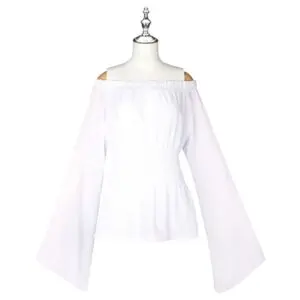
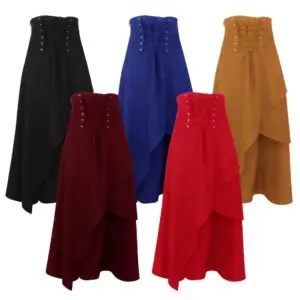
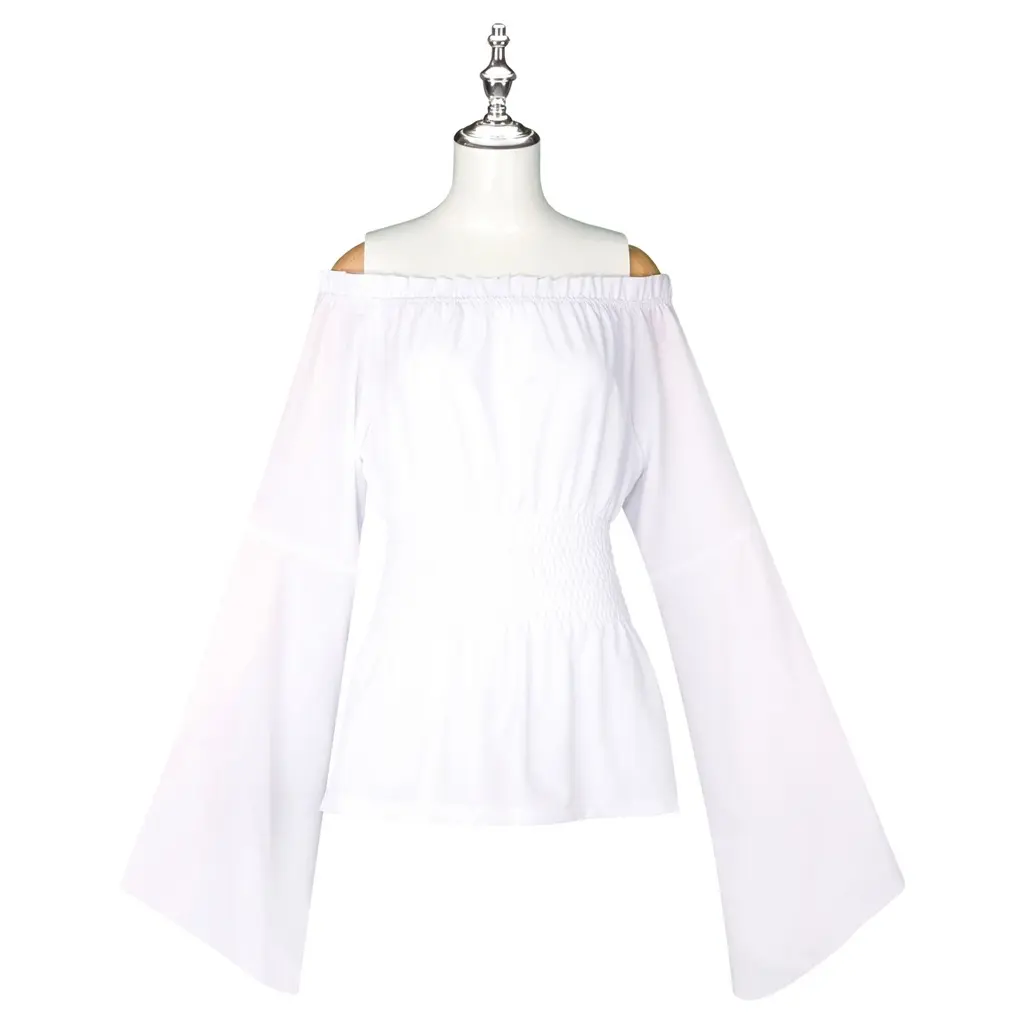
For example, the HEROCOS Women's Renaissance Pirate Cosplay Blouse and High-Waist Asymmetric Stage Skirt are separate illustrative listings that could appear in an outfit plan. A buyer considering both should record the intended contribution of each garment rather than automatically treating them as one inseparable purchase.
Your record should distinguish the main costume from supporting items such as wigs, footwear and props. These may have their own dependencies, but they should not distract from the clothing decisions that determine the outfit.
The important starting point is the relationship between decisions. If the position of a blouse relative to a skirt depends on owning both garments, record that relationship. If an accessory was selected independently, record that too.
- Planned item: identify the exact costume or separate garment.
- Purpose: explain what role it has in the intended outfit.
- Dependencies: name the other decisions that rely on this item.
- Independent decisions: identify choices that do not rely on it.
- Current status: considering, confirmed, purchased, cancelled or awaiting review.
Build a dependency record for each important clothing choice
A dependency exists when one decision needs another decision to remain valid. For example, choosing where a blouse should finish may depend on which skirt you intend to wear. Selecting an additional decorative element might depend on the final clothing arrangement. These relationships are more useful than a long list of purchases with no explanation.
For every proposed purchase, identify its direct dependencies. Ask what would need to change if the garment disappeared from the plan. Also identify decisions that would remain unaffected. Do not assume that two items depend on each other simply because they belong to the same outfit.
Use three categories for each relationship. Direct dependency means a decision genuinely relies on the changed item. Independent means it can remain as planned without that item. Uncertain means you have not established whether the two decisions are connected and need to investigate before proceeding.
This distinction prevents an especially common planning mistake: treating every accessory, colour preference and styling idea as though it automatically needs to be reconsidered whenever a principal garment changes.
- Direct dependency: the decision needs review if its supporting garment changes.
- Independent: the decision remains valid unless separate information changes it.
- Uncertain: do not assume the relationship; investigate it before accepting the revised outfit.
Apply a three-stage change-impact review
Whenever you consider replacing or cancelling a planned purchase, create a new change record. First, identify the original decision. Name the garment being changed, its previous status and the reason for the proposed substitution. This gives you a clear reference rather than relying on a vague memory of the original plan.
Second, trace its direct dependencies. Review every decision that explicitly relied on the garment. Ask whether the original arrangement still makes sense, whether a new combination needs to be considered or whether a decision has become unnecessary. Do not reopen independent decisions merely because they appear elsewhere in the same outfit plan.
Third, assign a result to each affected decision. Still valid means the original choice remains supported by the revised plan. Requires review means the decision depends on an arrangement that has changed. No longer needed means its original purpose has disappeared.
A proposed replacement should not be treated as confirmed merely because it sounds suitable. If the new clothing has not been selected and its relevant questions remain unresolved, keep the affected outfit decisions open. A change log should expose uncertainty rather than disguise it.
- Original decision: what was planned, and what is changing?
- Direct dependencies: which decisions relied on that item?
- Impact classification: still valid, requires review or no longer needed.
- Final record: which revised decisions are accepted, and which remain on hold?
Worked hypothetical example: Cancel one blouse without restarting the outfit
Imagine a fictional buyer planning a two-piece outfit using the HEROCOS Women's Renaissance Pirate Cosplay Blouse and High-Waist Asymmetric Stage Skirt. Their original decision log records that these are separate planned purchases. The intended styling arrangement places the blouse in relation to the skirt's waist, and the buyer has separately chosen an accessory that does not depend on either garment.
The initial status is confirmed as a planning direction, but the blouse and skirt have not yet been purchased. The buyer has recorded three decisions: purchase the blouse, consider the skirt as the lower garment and arrange the two around the intended waist appearance. The accessory is an independent choice.
New information arrives when the buyer decides not to purchase the blouse. Instead, they want to investigate using an existing top from their wardrobe. This changes the original clothing plan, but it does not automatically invalidate the skirt or accessory decisions.
The buyer performs the three-stage review. The blouse purchase is classified as cancelled. The original waist arrangement is classified as requires review because the existing top has not yet been evaluated with the skirt. The accessory decision remains valid because its selection was independently established and does not rely on either garment.
The buyer now rehearses the revised combination using a fictional already-owned dark top and the intended skirt. For this hypothetical example, the rehearsal establishes that the top can be worn with the skirt in the intended arrangement and that the buyer is satisfied with the resulting waist presentation. The revised clothing combination is therefore accepted without another top purchase.
The final status is clear: blouse purchase cancelled, existing top confirmed for reuse in the rehearsed combination, skirt retained in the plan and independent accessory decision unchanged. The buyer chooses the existing-clothing route rather than buying the blouse, purchasing another complete outfit or restarting the project. No unresolved clothing dependency remains in this example.
Compare the three routes before closing the change record
A purchase substitution usually creates three possible routes: preserve the original clothing arrangement, restyle with something already owned or buy another costume or garment. Compare all three against the same outfit brief rather than choosing according to enthusiasm for a new product.
Unchanged reuse is appropriate when the original clothing combination remains available and still meets the intended requirements. It avoids introducing a new garment decision, but it is not a solution when the original purchase has been cancelled or the original combination no longer works.
Restyling uses existing clothing in a revised combination. It can avoid an additional purchase, but the replacement must be evaluated against the requirements that matter. An item failing one requirement is not necessarily unusable overall; it might still work for a different part of the outfit. However, do not declare a successful restyle until the actual combination has been checked.
Buying another garment creates a new purchase decision. It may be appropriate when existing clothing cannot fulfil an essential requirement, but the proposed replacement introduces its own selection and dependency questions. A product listing is a candidate for investigation, not proof that the complete outfit will work.
Return to the change record and compare the resulting plans. The preferred route is the one that satisfies the essential clothing requirements with the fewest unresolved decisions, not automatically the route with the fewest purchases.
- Unchanged reuse: retain the original arrangement if the changed decision does not actually affect it.
- Restyle: use an existing garment only after establishing that the revised combination meets the necessary requirements.
- Buy another garment: introduce a replacement only when the existing options leave a genuine essential gap.
Close the record so old assumptions do not return
Once you have accepted the revised outfit, create a final version of the decision log. Mark cancelled purchases clearly, replace outdated dependencies and retain independent decisions that remain valid. Give unresolved items an explicit pending status instead of allowing them to appear as confirmed purchases in an older note.
Keep the original decision visible as a historical record, but make the revised version the one you use for subsequent shopping. This is particularly important if you have saved several product listings or discussed the outfit across multiple conversations. Otherwise, an earlier idea can quietly return as though it were still part of the plan.
When another change occurs, repeat the same procedure from the new accepted version. You do not need to rebuild every decision from the beginning. Trace the new change to its direct dependencies, classify the consequences and leave independent choices alone.
A useful cosplay decision log is not a document that prevents change. It is a record that makes change manageable. You can adapt your clothing plan, preserve decisions that still make sense and avoid spending money simply because one part of the original idea has changed.
EXPLORE THE COSTUMES
Mentioned in this guide
View the current options, size information and selected price on each product page.