Planning a Group Cosplay Photo: Decide Which Costume Should Lead the Composition
When several cosplayers share a photograph, choosing individual costumes is only half the planning. Use a visual hierarchy worksheet to establish a focal character, organise supporting outfits and decide whether your existing combination needs any changes before shopping again.
Planning a group cosplay photograph can become complicated when everyone has a different character and an equally strong idea of how their costume should look. You might have a recognisable character outfit, a separate fantasy-inspired combination and another independently chosen costume. Each can work individually, but the photograph needs a deliberate arrangement so the outfits communicate one group concept rather than competing for attention. The solution is not necessarily to make everyone match. Instead, decide which costume should provide the visual focal point, give the other participants clear supporting roles and check that every person retains an identifiable contribution. A visual hierarchy worksheet helps you make those decisions before purchasing additional clothing or changing anyone's existing outfit.
Give the group photograph one clear visual objective
Start by describing the photograph you want to create in one sentence. For example, you might want a fantasy group portrait in which one recognisable character occupies the central position while two differently styled characters complete the surrounding scene. This statement establishes the purpose of the composition without requiring identical clothing.
Next, identify the main character or concept that viewers should notice first. This becomes your primary focal point. The decision should reflect the group's creative intention, not automatically go to the person with the most elaborate costume or the strongest preference.
Give everyone else a meaningful role. A supporting character contributes to the main visual idea while retaining an individual identity. A contrasting character provides a deliberate difference that makes the overall composition more interesting. Both roles are valuable; supporting does not mean unimportant.
Agree on the hierarchy together before anyone changes an outfit. Each participant should understand the intended photograph and have an opportunity to explain which parts of their costume they particularly want visible. This avoids treating one person's creative choices as disposable simply because another costume has been selected as the focal point.
- Primary focal point: the costume viewers should notice first.
- Supporting character: an individual outfit that reinforces the overall concept.
- Contrasting character: an outfit that introduces a deliberate visual difference.
- Shared objective: the group photograph's intended story or atmosphere.
Build a visual hierarchy worksheet for every participant
Create one worksheet with a separate entry for each person. Record their character or concept, the costume they intend to wear, their proposed composition role and the clothing details they want to preserve. Keep the main costume decision separate from wigs, shoes and props, which should be considered only after the clothing arrangement makes sense.
For the primary focal point, identify the details that make the costume recognisable. These might include a distinctive overall clothing arrangement, a particular outer layer or a prominent detail that the wearer wants visible. Describe what matters rather than assuming that a particular colour or accessory must dominate.
For supporting characters, identify the clothing features that should remain recognisable without demanding equal visual emphasis. For contrasting characters, describe the intended difference. The goal is to distinguish the roles deliberately rather than attempting to make every costume follow the same styling formula.
Add a competition column. Record any two costumes that seem likely to draw attention to the same part of the composition. For example, two participants might both want their most distinctive upper-body details clearly visible in a tightly arranged group portrait. That is a positioning question to investigate, not an automatic reason to replace either costume.
- Participant and intended character.
- Current costume or clothing combination.
- Assigned visual role.
- Details that must remain visible.
- Potential competition with another outfit.
- Possible positioning or styling adjustment.
Sketch the positions before changing the costumes
Draw the photograph as a simple arrangement of figures. Detailed artistic ability is unnecessary: circles for heads and basic outlines for bodies are enough to establish who stands where. Label each figure with the participant's name and assigned role.
Try more than one arrangement. Place the primary focal point centrally in one sketch, then explore an alternative in which the person occupies a different position. Consider whether supporting characters should stand on either side, whether the contrasting character needs more separation and whether the group looks balanced from the intended viewing angle.
Now mark the clothing details each person wants visible. A detail that disappears behind another participant's arm or becomes hidden by overlapping clothing may need a different pose. Likewise, two outfits that compete for attention in one arrangement might become easier to distinguish when their wearers occupy separate positions.
Compare your sketches against the available product photographs or existing outfit references. Use them to identify the intended visual outlines and details, not to assume that the finished costumes will look identical to catalogue images. Keep each reference attached to the participant it represents so that a styling decision does not accidentally become a new costume requirement.
If a composition problem remains, test a different position or pose before considering another clothing purchase. A group photograph is an arrangement of people and outfits, not simply a collection of individually attractive costumes.
Worked hypothetical example: Three fantasy cosplayers, one focal point
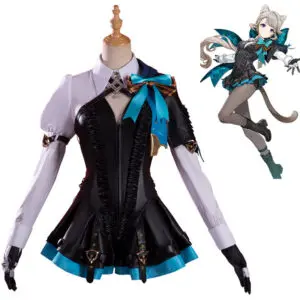
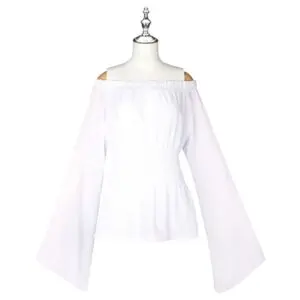
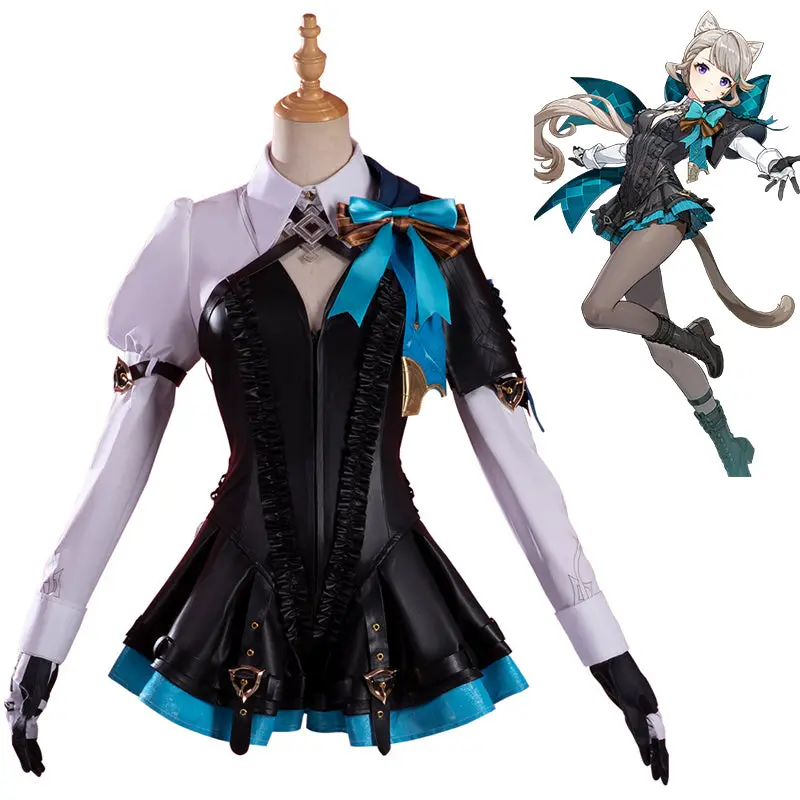
Initial situation: Three friends are planning a fantasy-themed group photograph. The first chooses the HEROCOS Genshin Impact Lynette Cosplay Costume Magician Assistant Dress Halloween Party Suit. The second plans a Renaissance-inspired blouse and skirt combination. The third has independently selected another fantasy outfit. All three want their individual characters to remain recognisable.
Their initial status is composition unresolved. They have three distinct clothing plans but have not decided which outfit should lead the photograph. The first friend proposes making Lynette the focal point, while the other two want their costumes to remain visually important rather than becoming indistinct background figures.
They complete the worksheet and agree on three roles: Lynette is the primary focal point, the Renaissance-inspired combination is the supporting character and the independently selected fantasy outfit is the contrasting character. Each participant identifies the clothing details they want visible. They then sketch three positions, testing a central arrangement and an alternative with the focal character slightly forward.
New information: Comparing the sketches with their individual outfit references reveals that their original arrangement creates unnecessary competition between two prominent clothing areas. The revised arrangement separates those details, gives Lynette the intended central emphasis and allows the other two participants to retain their own visual identities.
Resulting status: The composition is confirmed. All three friends can explain their roles, the important clothing details have a place in the photograph and the revised positioning communicates the intended group concept.
Definite decision: They keep their existing costume plans and proceed with the revised composition. They do not purchase another matching costume or additional coordinated clothing. The problem was the arrangement of the group, not a missing outfit.
Know when the existing costume combination is enough
Before adding anything to the shopping list, review the finished worksheet and ask whether the intended photograph already works. The important test is whether viewers can understand the group's visual hierarchy while recognising each participant's individual costume.
If the focal point is clear, supporting outfits remain identifiable and the contrasting character has a deliberate place, you have a workable composition. Do not introduce matching clothing merely because the costumes were purchased separately or come from different creative references.
If a problem remains, identify its precise cause. Is a required clothing detail hidden? Are two costumes competing for the same visual space? Is the intended focal character difficult to distinguish? A specific answer gives you a useful next step, whereas a vague feeling that the outfits do not match can lead to unnecessary purchases.
Wigs, footwear and props can be considered after the main clothing arrangement has been settled. Ask whether each proposed addition improves the composition or simply adds another competing detail. The finished plan should give everyone a clear place in the photograph without requiring every costume to become visually identical.
EXPLORE THE COSTUMES
Mentioned in this guide
View the current options, size information and selected price on each product page.