When a Group Cosplay Plan Changes: Decide What Can Continue Independently
A friend changes characters or withdraws from a planned group cosplay. Map independent, shared and dependent decisions to work out which costume projects can continue, what needs adapting and when the group should reset its concept.
A group cosplay plan can feel settled until somebody changes their mind. Perhaps a friend chooses another character, decides to postpone their costume or can no longer participate. Suddenly, the original concept may not make sense in quite the same way. That does not automatically mean everyone else must abandon their projects or purchase replacement costumes. The important question is which parts of the plan depend on the missing participant and which remain independent. A group dependency map makes those relationships visible before anyone makes another coordinated purchasing decision. It also gives everyone a fair way to decide whether to continue with the original idea, adapt the concept or reset the shared plan. By separating individual costume decisions from genuine group commitments, you can respond to changes without treating every participant's creative choices as interchangeable.
Separate individual costumes from the shared concept
Begin by writing down the original group idea in one sentence. Describe what the participants intended to create together, rather than simply listing the character names. A group might be planning a themed photograph, a shared fictional setting or a collection of characters connected by a particular creative idea.
Next, make a separate entry for each participant. Record their intended character, costume direction and the decisions they control personally. The main costume belongs to its wearer, so changing one person's creative preference should not automatically give the rest of the group authority over their clothing.
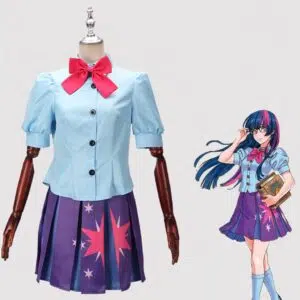
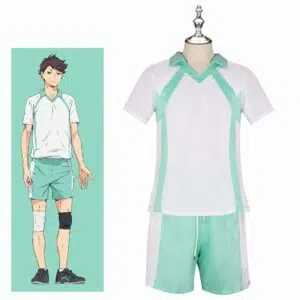
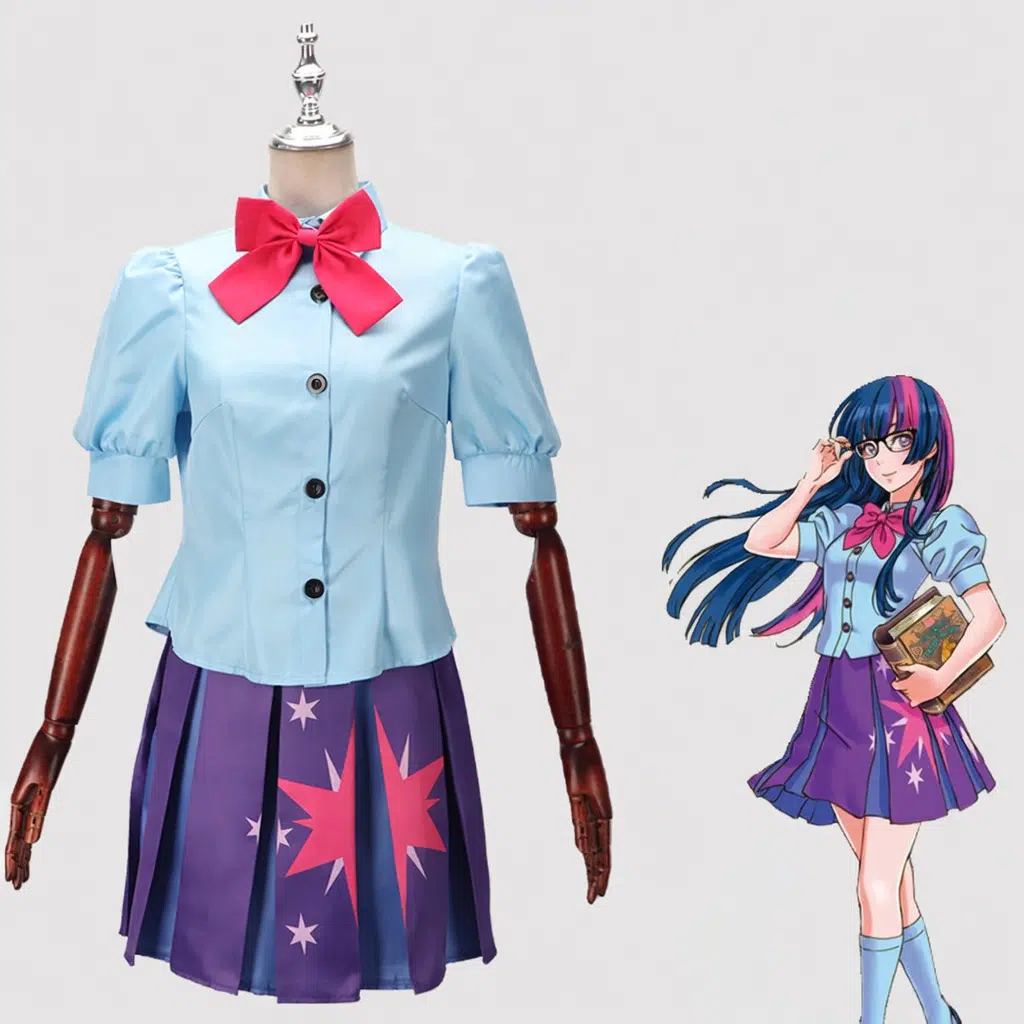
For example, the HEROCOS My Little Pony Twilight Sparkle Rainbow Dash Cosplay Costume and the HEROCOS Haikyuu!! Toru Oikawa Jersey Cosplay Costume can be used as illustrative costume references when building individual project entries. Their listing titles identify different costume subjects; they do not establish that the products form a coordinated group outfit.
Keep the shared concept separate from individual product selections. A photograph might depend on several people appearing together, but that does not necessarily mean every participant's costume purchase depends on everyone else's continued involvement.
This distinction gives you a starting point for identifying which decisions can survive a change in participation.
- Individual decision: a participant's character and personal costume direction.
- Shared decision: something that requires agreement from the group.
- Dependent decision: something that only makes sense if another participant remains involved.
Build a dependency map before changing the plan
Review the original concept and classify each important decision into three categories. The first is independent: decisions that belong to one participant and can continue without the others. The second is shared: decisions that require the group to agree, such as the intended photograph or the overall concept. The third is dependent: decisions that only make sense because another participant is expected to contribute something specific.
For every shared or dependent element, ask what happens if one participant withdraws. Can the remaining people still use it? Could someone else voluntarily take over that creative role? Does the idea need to be redesigned before anyone can make further purchases?
A useful map might contain a group photograph, a shared setting, individual costume choices, a planned character interaction and any additional clothing decisions made specifically for another participant. Do not classify an item as dependent merely because it was discussed in the group chat. It needs a genuine connection to the other person's involvement.
Record three possible outcomes beside each affected element: survives unchanged, can be reassigned or needs a new decision. If you cannot establish which applies, mark it unresolved rather than assuming that the original arrangement will still work.
This exercise helps prevent an individual withdrawal from turning into unnecessary changes to everybody's costume.
Pause affected purchases and agree on a change protocol
Once a participant's plans change, pause purchasing decisions that depend directly on their involvement. This is particularly important when someone was planning to coordinate an outfit, appearance or creative element with that person.
Do not automatically pause every independent purchase. A participant who has already settled their own costume direction can continue investigating that project if the change does not affect their intended result. Keeping these decisions separate makes the response proportionate.
Preserve the original references and shared notes rather than replacing them immediately. Mark which parts of the concept have changed, who needs to make a new decision and whether any existing choices remain valid.
Then follow a clear change protocol. First, acknowledge the participant's updated decision without treating it as a problem they must solve for everybody. Second, identify the affected dependencies. Third, revise the shared concept. Finally, ask the remaining participants to agree on the revised direction before resuming purchases that depend on it.
A replacement participant should not be assumed to be available, and another person should not automatically inherit a character or creative responsibility. Reassignment needs the agreement of the people involved.
The group should finish this discussion with one of three statuses: continue, adapt or reset. These statuses describe the shared concept, not whether an individual is allowed to pursue their own costume.
Worked hypothetical example: three friends become two
Imagine three friends planning a group cosplay. One friend is considering the HEROCOS My Little Pony Twilight Sparkle Rainbow Dash Cosplay Costume as an illustrative costume reference. The second has independently selected the HEROCOS Haikyuu!! Toru Oikawa Jersey Cosplay Costume. The third has selected a separate costume that they have chosen themselves.
Their initial status is a three-person group concept built around a planned three-character photograph. Each friend has an individual costume project, while the composition of the shared photograph is a group decision. They also have a proposed character interaction that depends on all three participants being present.
They create a dependency map. The individual costume projects are classified as independent. The three-person photograph and the interaction involving all three characters are classified as dependent. The decision about the overall photographic concept is shared.
New information arrives: the third friend decides not to participate. The group updates its map instead of assuming that the original composition can continue unchanged. The individual projects of the remaining two friends still have their own creative purposes, but the original three-character arrangement no longer has the participation it requires.
The resulting status is clear: individual costume projects remain independent, while the original group photograph requires adaptation. The two remaining friends agree to revise the creative direction into a paired concept. They do not cancel their individual projects or automatically purchase replacement costumes for the missing participant.
Their definite decision is to adapt the shared photograph into a two-person concept while continuing their independently chosen costume projects. This is a planning example, not a claim that the named products are visually compatible or were selected by real participants.
Choose between continue, adapt and reset
The final decision should reflect what your dependency map actually reveals. Continuing is appropriate when the participant's change does not affect the essential shared idea. For example, a group might still have the people and creative elements needed for its intended concept even though one independent participant has withdrawn.
Adapting is appropriate when the original idea still has value but a particular shared element needs revision. You might change a planned photograph, remove an interaction that depended on the missing participant or agree on a different creative relationship between the remaining characters.
Resetting is appropriate when the original concept depends so heavily on the missing participant that the remaining group no longer wants to pursue it. In that situation, preserve individual costume projects where they still make sense, but create a fresh shared brief before making further coordinated decisions.
Write the decision in the group plan along with the affected elements, the people who agreed and any remaining questions. Keep individual purchasing responsibilities separate. A revised group concept should not silently change another person's selected costume or make them responsible for filling an abandoned role.
A useful final record is short: what changed, what remains independent, what the group has decided and which purchases can safely resume under the revised concept. This gives everyone the same understanding without requiring the entire project to start again.
Group cosplay plans work best when they can accommodate real changes in people's preferences and availability. Mapping dependencies gives you a practical way to preserve what still works, revise what no longer fits and avoid making new costume decisions before the group knows what it is creating.
EXPLORE THE COSTUMES
Mentioned in this guide
View the current options, size information and selected price on each product page.