Keep, Rework or Retire a Cosplay Costume? A Wardrobe Exit Decision Method
An old cosplay costume does not have to remain an active project forever. Use a three-route wardrobe audit to decide whether to keep pursuing the original character, develop a genuinely different creative use for the clothing, or retire the outfit from your active collection.
Buying a cosplay costume can feel like the end of a project, but your creative interests may change after the purchase. Perhaps you no longer want to portray that character, your original group project has ended, or another creative direction has become more appealing. That does not automatically mean the costume should be discarded, but it also does not mean it deserves a permanent place on your active project list. The useful distinction is between owning a costume and having a genuine reason to keep working with it. A three-route wardrobe audit helps you decide whether to keep the original cosplay, rework selected clothing for a different concept, or retire the outfit from your active collection. The aim is to make a deliberate decision rather than repeatedly postponing one.
Start with the costume's original purpose
Choose one costume you are genuinely reconsidering. Record its full name, when you acquired it and the creative reason you originally wanted it. Include the character or concept, the appearance you intended to recreate and the occasion or project that influenced your decision.
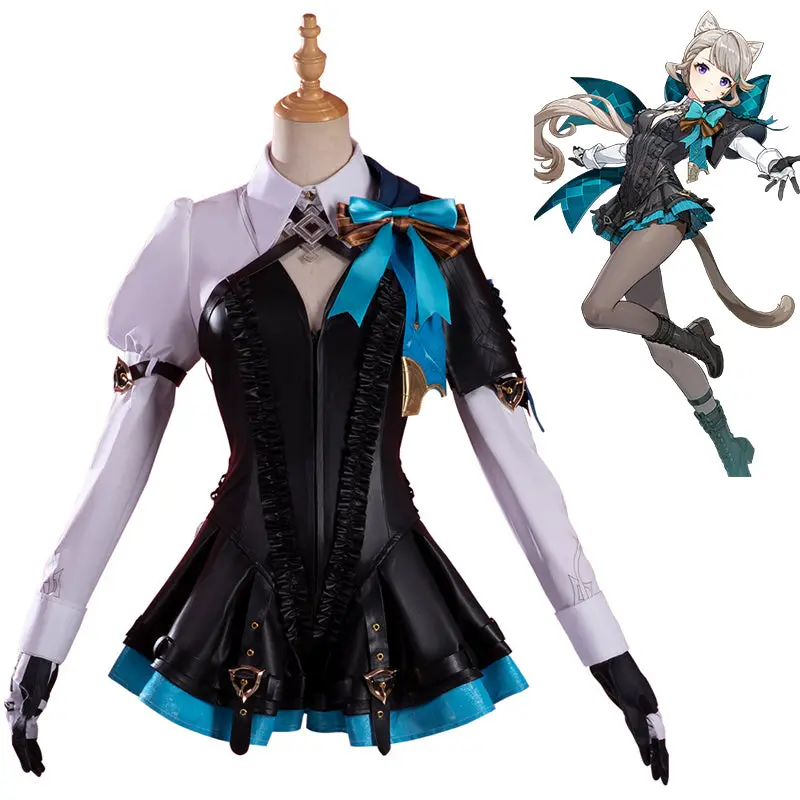
For example, the HEROCOS Genshin Impact Lynette Cosplay Costume Magician Assistant Dress Halloween Party Suit is a useful named reference for an audit. Its listing identifies the costume subject, but your wardrobe decision should be based on the actual clothing you own and your continuing interest in the character.
Next, answer a question that is easy to overlook: do you still want to create this particular cosplay? Separate your interest in the character from your interest in the clothing. You might still enjoy the fictional character without wanting to wear the costume, or you might like the clothing even though the original portrayal no longer interests you.
Write down the answer without immediately considering what you spent. The original purchase is part of your ownership history, not a reason that automatically determines the next creative project.
- Original purpose: What character or concept did you acquire the costume for?
- Current interest: Do you still want to portray that character?
- Actual ownership: Which clothing pieces do you currently possess?
- Outstanding commitment: Is there an existing project that still requires this costume?
- Decision question: Does the outfit have a meaningful role in your current creative plans?
Compare the three possible wardrobe routes
Once the original purpose is clear, consider three distinct outcomes. Do not treat them as different descriptions of keeping the costume. Each represents a different commitment.
The first route is retain. Choose this when you still want to portray the original character or have a specific reason to keep the existing costume available for that project. Retaining an outfit does not require immediately buying additional accessories or scheduling another event. It simply means the original creative purpose remains meaningful.
The second route is rework. This is appropriate when the original portrayal no longer interests you but particular clothing pieces might contribute to a different concept. The new use must have its own creative brief. Identify the new character or identity, describe the intended clothing and explain exactly which existing pieces would contribute. Do not assume that an entire character costume automatically becomes suitable for an unrelated design.
The third route is retire. Choose this when neither the original project nor a realistic alternative gives the costume a meaningful role in your active wardrobe. Retiring means removing it from your active cosplay plans. You can make a separate decision about what happens to the physical clothing without confusing that decision with whether you intend to wear it again.
A useful rule is to require a positive reason for each route. Familiarity is not enough to justify retaining, an attractive garment is not enough to justify reworking, and temporary uncertainty does not automatically require retirement.
- RETAIN: The original character or creative purpose still matters.
- REWORK: A specific new concept gives selected existing clothing a clear role.
- RETIRE: Neither the original purpose nor a defined alternative justifies an active project.
If you choose to rework it, write a new creative brief
Repurposing can sound appealing because it appears to avoid starting again. However, a successful creative decision needs more than the hope that an old costume might eventually become useful.
Write a new brief before experimenting. Give the concept a working name, describe the identity you want to portray and list its essential clothing requirements. Then inventory the actual garments you own, considering each separately rather than treating the costume as one indivisible outfit.
Classify every piece as suitable for the new brief, potentially useful after a clearly identified creative change, or unsuitable for this particular concept. An unsuitable piece is not necessarily a bad garment; it simply does not contribute to the new design.
Keep the main clothing at the centre of this exercise. Wigs, footwear and props can support the revised idea, but they should not be used to justify an otherwise unclear clothing plan. If your new concept depends on an unconfirmed alteration or a missing essential garment, the rework route is not yet ready for commitment.
Finally, describe the completed appearance in a sentence. If you cannot explain how the retained pieces form a coherent outfit, continue developing the brief instead of declaring the costume successfully repurposed.
- New concept: Name the character or original identity.
- Essential clothing: Describe what the finished look must communicate.
- Existing pieces: Classify each actual garment separately.
- Changes: Record the specific creative changes you are considering.
- Unresolved gaps: Identify anything that still prevents a definite decision.
Worked hypothetical case: A Lynette costume without an immediate project
Initial status: Imagine someone who owns the HEROCOS Genshin Impact Lynette Cosplay Costume Magician Assistant Dress Halloween Party Suit. They originally acquired it because they wanted to portray Lynette, but that particular project has gradually moved out of their immediate plans. The costume is still in their wardrobe, and they have not decided what to do with it.
New information: During the audit, they realise that they still enjoy the character and would genuinely like to revisit the portrayal. However, they have no confirmed upcoming project that requires the costume. They also consider whether individual clothing pieces might suit an original character, but have not developed a separate design brief or established a convincing new use for them.
They compare all three routes. Retaining the costume preserves an original creative project they still care about. Reworking it would require inventing a different concept and establishing how the existing clothing contributes. Retiring it would remove a costume associated with a character they still want to portray.
Resulting status: The original character interest is confirmed, while the alternative concept remains undefined. There is no established reason to treat the costume as successfully repurposed, and there is no compelling reason to remove it from the active collection permanently.
Definite decision: Retain the Lynette costume temporarily for the original character project. Do not purchase additional accessories simply to make the project feel active. Record the decision date in the wardrobe audit and establish a personal review condition: reconsider the costume if interest in portraying Lynette changes or a different creative brief becomes sufficiently developed. The decision is retain, not an indefinite promise to keep buying items.
- Original project: Still wanted, although not currently scheduled.
- Alternative project: Not sufficiently defined.
- Retirement: Rejected because the original creative interest remains.
- Final route: Temporary retention with a documented review condition.
Record the decision and close the open project
A wardrobe audit is only useful if its conclusion changes how you manage the costume. Record the selected route, the reason behind it and the condition that would justify reviewing the decision. Include the decision date in your personal record so that you can distinguish a current choice from an old note.
For a retained costume, identify the original project that still justifies keeping it active. For a reworked costume, attach the new creative brief and the final clothing inventory. For a retired costume, remove it from your active project list rather than leaving it among outfits you supposedly intend to wear.
Avoid using undecided as a permanent fourth category. If you genuinely need more information, identify the exact missing decision and give yourself a review condition. Otherwise, choose the route that best reflects your current creative intentions.
Most importantly, separate the value of owning a costume from the obligation to continue a project. Your interests can change, and your wardrobe can change with them. A deliberate retain, rework or retire decision gives every existing costume a clearer purpose and leaves more room for projects you genuinely want to pursue.
EXPLORE THE COSTUMES
Mentioned in this guide
View the current options, size information and selected price on each product page.