Lending Your Cosplay Costume: Decide What Someone Can Borrow
A friend wants to borrow your cosplay, but you are not comfortable lending the entire outfit. Use a piece-by-piece lending agreement to establish boundaries, agree on responsibilities and decide exactly what you are willing to share.
A friend asks whether they can borrow your cosplay costume for a photograph, themed gathering or creative project. You might be happy to help, but that does not mean you want to hand over every piece of an outfit you have chosen for yourself. Perhaps you are comfortable lending the main garment but want to keep the rest of the costume. Alternatively, you might prefer not to lend anything at all. The important distinction is that permission to borrow one piece is not permission to use the entire outfit. Before agreeing, create a piece-by-piece lending agreement. This gives both people a clear understanding of what can be borrowed, what remains with the owner and what must happen when the borrowing arrangement ends. You can be generous without surrendering control over your own costume.
Identify the exact costume and every requested piece
Begin by identifying the costume your friend wants to borrow. Use the full costume name rather than relying on a character reference or a photograph that might show several different items. This matters when an outfit contains multiple garments or when the borrowing request is initially described simply as wanting to wear your cosplay.
Next, separate the outfit into individual pieces. Your list should reflect the clothing and accessories you actually own, not everything that might appear in a character reference. Keep the main costume at the centre of the discussion, with wigs, footwear and props recorded separately where relevant.
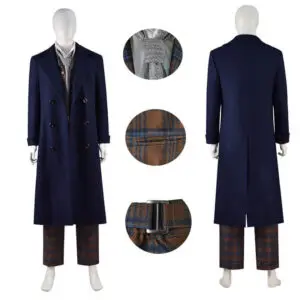
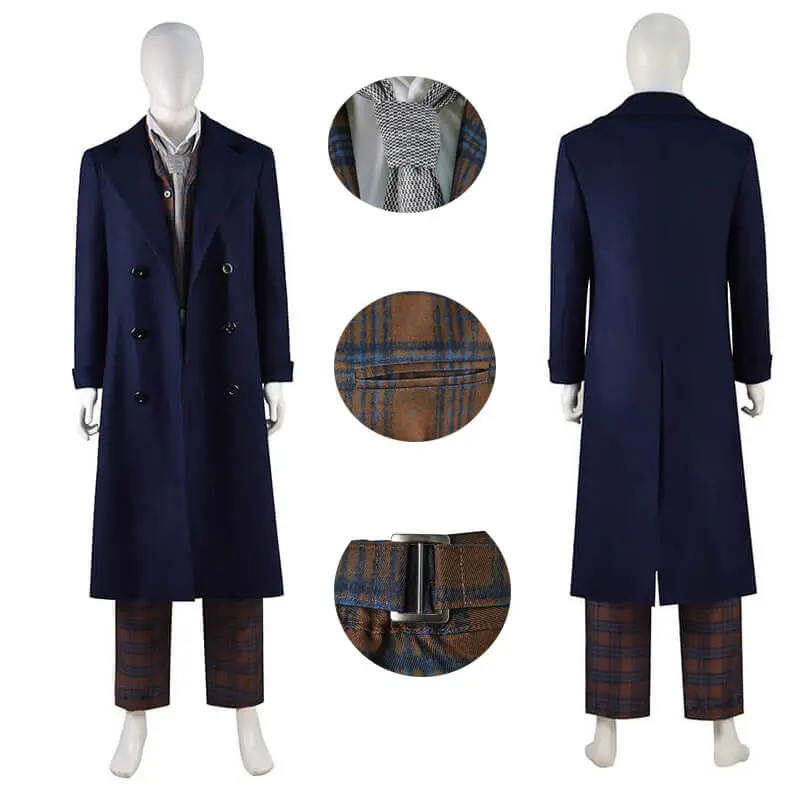
The HEROCOS 14th Doctor Cosplay Doctor Who Fourteenth New Coat Set Costume is an illustrative example of a named costume around which an owner might organise a borrowing conversation. Identifying a particular listing helps distinguish the intended costume from another outfit, but the actual lending list must be based on the owner's possessions.
- Costume identity: record the exact outfit being requested.
- Individual pieces: name each garment separately.
- Supporting items: list wigs, shoes and props separately rather than automatically including them.
- Ownership: identify who owns each item and who currently has possession of it.
Classify each piece according to your boundaries
Give every requested piece one of three classifications: available to lend, owner-retained or excluded. These categories make your permission specific rather than leaving your friend to interpret a general yes.
Available to lend means you are comfortable allowing the borrower to use that particular item under an agreed arrangement. Owner-retained means you intend to keep the item with you, even if it belongs to the same costume. Excluded means the item is not part of the borrowing agreement. You do not need to justify every exclusion or negotiate away a boundary simply because the borrower would prefer a complete outfit.
Pay particular attention to pieces that have personal significance or that you intend to use yourself. If you are unsure about an item, classify it as unresolved rather than promising it automatically. You can revisit the decision after considering the request, but an unresolved item should not be treated as approved.
This classification also prevents a common misunderstanding: borrowing the main garment does not create permission to borrow its accompanying pieces. Each item receives its own decision.
- Available to lend: explicitly approved for temporary use.
- Owner-retained: remains with the owner.
- Excluded: outside the agreement.
- Unresolved: no permission has been granted yet.
Agree on the purpose, borrowing period and return arrangement
Once you know which pieces are available, establish how the borrower intends to use them. A request for one photography session is different from a request to keep a costume for several occasions. Ask what the outfit will be used for and make sure the agreed purpose matches your comfort level.
Set a clear borrowing period. Record when the items will be handed over, how long they may be kept and the specific date on which they should be returned. Avoid vague arrangements such as returning everything whenever convenient. A definite return point gives both people something concrete to acknowledge.
Decide who will keep track of the individual pieces. The borrower should understand exactly what they are receiving, while the owner should retain a copy of the agreed list. Both people should be able to refer to the same arrangement if the request changes or someone becomes uncertain about an item.
Before handing anything over, review the list together. If the borrower asks to add another garment, treat that as a new permission request. Do not silently expand the original agreement.
- Intended use: describe the specific occasion or activity.
- Approved items: list only the pieces explicitly agreed upon.
- Handover: record which pieces are being transferred temporarily.
- Return: agree on a specific date and how the items will be handed back.
- Responsibility: establish who keeps track of the borrowed pieces.
Worked hypothetical case: lending the coat without lending the outfit
Consider a hypothetical situation involving the HEROCOS 14th Doctor Cosplay Doctor Who Fourteenth New Coat Set Costume. A friend wants to borrow the costume for a themed photograph. The owner enjoys the idea of helping but intends to keep the complete outfit for personal use.
Initial status: the borrowing request is not yet approved. The friend has asked for the costume as a whole, while the owner has not decided which individual pieces, if any, can leave their possession.
The owner reviews the request and makes a specific decision. The coat is classified as available to lend. Every remaining costume piece is classified as owner-retained or excluded. The owner then explains that permission applies only to the coat, not to the complete costume.
New information: the friend accepts the limited arrangement and confirms that the coat alone is sufficient for the intended photography session. Both agree on the session as the permitted use, identify the coat on a handover list and establish a specific return date. They each retain a copy of the agreement.
Resulting status: the coat is approved for temporary borrowing, while the rest of the costume remains with its owner. The original request for the complete outfit has been replaced by a narrower agreement that both people understand.
A further request then arises: the friend asks whether they can also borrow the remaining outfit pieces. The owner evaluates this separately and decides to retain them. The new request does not change the existing coat agreement.
Final decision: lend the coat only. This arrangement meets the owner's comfort level, respects the friend's intended use and gives both people a clear return arrangement. The owner helps without giving up control over the rest of the costume.
Use three conditions before approving the handover
Before handing over any costume, apply three final conditions. First, you must be comfortable lending every individual piece on the approved list. Second, the borrower must accept the restrictions, intended use and agreed responsibilities. Third, both people must agree on the return arrangement.
If one condition remains unresolved, do not treat the entire request as approved. You can reduce the number of pieces being lent, postpone the handover while you clarify the disagreement or decline the request altogether.
A good lending agreement does not need complicated paperwork. A shared written list and a clear conversation can establish the essential boundaries. What matters is that both people understand the same arrangement before the costume changes hands.
Remember that ownership remains separate from temporary permission. You can lend a favourite costume without making it communal property, and you can change your mind about additional requests without automatically cancelling an agreement you are still comfortable with. The final decision should reflect what you genuinely want to share, not what someone else assumes they can borrow.
EXPLORE THE COSTUMES
Mentioned in this guide
View the current options, size information and selected price on each product page.