One Cosplay, Several Occasions: Decide Whether to Reuse, Restyle or Buy a Second Outfit
Before buying another cosplay costume, compare the essential requirements of two occasions against clothing you already own. A reuse matrix shows whether to repeat the outfit, restyle existing pieces or justify a separate costume purchase.
Two upcoming occasions with different themes do not automatically require two complete cosplay costumes. Your existing outfit might work for both, or a deliberate change in styling might create the second look. Alternatively, the second occasion may have an essential visual requirement your wardrobe cannot meet. The useful question is not whether a new costume would be enjoyable, but whether it solves a genuine gap. Compare both occasions, classify the clothing you already own and test realistic combinations before shopping. Any new costume or supporting clothing piece should have a defined role in the plan rather than becoming an extra purchase without a clear purpose.
Define the two occasions before choosing the clothing
Give each occasion its own short visual brief. Name the event or creative purpose, describe the overall look you want and list the details that must be present for you to consider the outfit successful. Use concrete descriptions rather than relying only on broad labels such as fantasy, gothic or formal.
Separate essential requirements from optional preferences. An essential requirement is a detail you have decided the look must contain, such as a particular outer-layer silhouette or a clear contrast between the main outfit and its surroundings. An optional preference is something you would enjoy but could omit without losing the intended look. These are your creative decisions, not universal rules about how a character or theme must be represented.
Put the two briefs side by side. Mark the elements they share and the differences that matter. If both occasions call for essentially the same clothing, a second purchase may add little value. If one requires a genuinely different visual element, identify it precisely and investigate whether clothing you already own can provide it.
- Occasion A: list the essential clothing and visual requirements.
- Occasion B: identify its essential differences from Occasion A.
- Shared elements: mark garments that can serve both looks.
- Optional preferences: record attractive details that are not necessary for either brief.
Classify existing clothing against specific requirements
Lay out the clothing you already own that could contribute to either look. Photograph the combinations you can assemble without shopping, then classify each item against the second occasion’s brief. Use three categories: usable unchanged, usable with reversible restyling, or unsuitable for the particular requirement being assessed.
Usable unchanged means the item already meets that requirement as it is. Usable with reversible restyling means it can contribute after a change you can undo, such as wearing an existing layer in a different combination. Unsuitable means it does not meet that particular requirement or cannot reasonably contribute to it. This classification does not mean the item is useless for the whole outfit: a decorative accessory might remain an attractive optional detail while being unsuitable for creating a required outer-layer silhouette.
Record the reason beside each classification. For example, a dark main outfit might satisfy the base-colour requirement for both occasions, while an existing plain outer layer may need a different combination to contribute to the second look. A decorative accessory should be assessed against the detail it is meant to provide, not counted as a solution to an unrelated clothing gap.
Once the matrix is complete, mark any essential requirement that still has no plausible solution. This is the gap your shopping decision must address. Keep optional preferences separate so that a desirable finishing touch does not disguise the absence of something essential.
- Usable unchanged: meets the specific requirement as it is.
- Usable with reversible restyling: contributes after a change that can be undone.
- Unsuitable for that requirement: does not solve the particular visual need being assessed.
- Remaining gap: an essential requirement without a suitable existing solution.
Rehearse combinations before considering new clothing
Assemble the second look using your existing garments in the order you intend to wear them. Change one styling choice at a time and compare each result with your brief. Photograph the combinations so that you can judge the overall silhouette instead of relying on a memory of how each item looked separately.
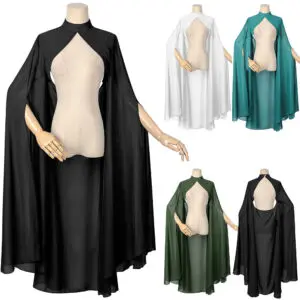
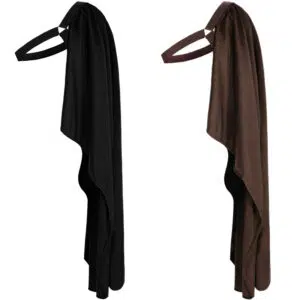
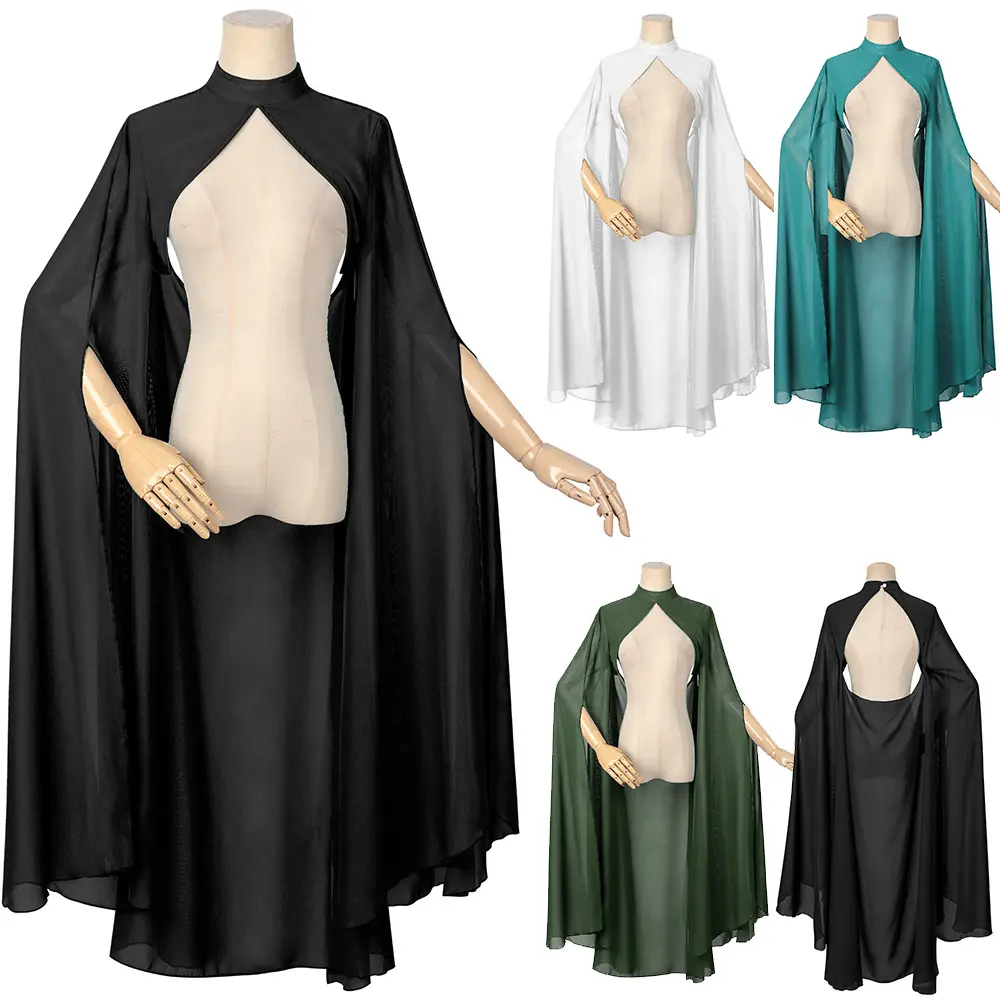
If your plan calls for a distinct outer layer, the HEROCOS Halloween Gothic Cape is one listing to investigate. The HEROCOS Halloween Steampunk Medieval Shawl Costume is another possible clothing candidate for a different creative direction. Their titles identify separate listings to consider; they do not establish whether either item suits your existing outfit or meets your particular brief.
Write down the single most important unmet requirement, if one remains after rehearsal. It might be a distinct outline, a specific kind of clothing layer or another visual element you have decided is essential. A defined gap gives you a focused reason to investigate another item. If the existing outfit already satisfies both briefs, you can stop without buying anything.
- Try existing combinations before browsing for additional clothing.
- Change one styling decision at a time and compare the complete look.
- Record the essential requirement that remains unmet, if any.
- Treat new listings as candidates until the relevant details have been checked.
Compare reuse, reversible restyling and a second costume
Route one is unchanged reuse: wear your existing outfit as it is for both occasions. This is the simplest route when the same clothing satisfies both briefs. A different setting or mood alone does not necessarily require a different costume if the clothing requirements remain the same.
Route two is reversible restyling: combine your existing garments differently to create the second look. This route works when the changes genuinely satisfy the second brief without altering the clothing. If an additional piece is necessary, it can still be a narrower alternative to buying a complete costume, but only if that piece is suitable for the defined gap.
Route three is buying a second costume: choose another main outfit for the second occasion. This becomes justified when an essential requirement cannot reasonably be met by unchanged reuse or a practical restyle. Compare what the complete second look requires with the clothing you already have, rather than assuming that an entirely new outfit is automatically the better choice.
Apply the same test to all three routes: does the plan satisfy every essential requirement for both occasions? Reject routes that fail the test. Among the routes that succeed, prefer the one with the fewest unresolved clothing questions and the least unnecessary replacement. Optional accessories can influence your creative preference, but they do not by themselves justify a second main costume.
- Reuse unchanged: select when the existing outfit meets both briefs as it is.
- Restyle: select when a reversible combination meets both briefs, with any necessary addition separately checked.
- Buy a second costume: select when the other routes cannot satisfy an essential requirement.
- If no route has a confirmed solution, wait rather than treating a candidate purchase as a finished plan.
Worked hypothetical case: use the matrix to make a definite choice
Starting point: imagine a shopper planning two distinct occasions. Occasion A is a dark-themed character gathering. Its essential requirements are a dark main outfit and a coordinated overall silhouette; a decorative accessory is optional. Occasion B is a fantasy evening gathering. Its essential requirements are the same dark base outfit and a distinct outer-layer silhouette. The decorative accessory remains optional. These are the shopper’s hypothetical creative requirements, not rules imposed by either occasion.
The shopper inventories three items already owned: a dark main outfit, a plain dark outer layer and a decorative accessory. The dark main outfit is classified usable unchanged for both occasions because it meets the base-outfit requirement. The plain dark outer layer is classified usable with reversible restyling for Occasion B because it can be combined differently without alteration. The decorative accessory is classified unsuitable for satisfying the outer-layer requirement, although it could still be used as an optional finishing detail.
The shopper rehearses the second combination and finds that the dark main outfit plus the plain dark outer layer does create the distinct silhouette required by Occasion B. The rehearsal resolves the only essential gap: there is no remaining clothing requirement that calls for a new purchase. The decorative accessory is left out of the essential calculation, and the shopper does not assume that any additional product is needed.
Now compare all three routes. Unchanged reuse fails because the current combination does not provide the distinct outer-layer silhouette specified for Occasion B. Restyling succeeds because the rehearsed combination using the existing plain outer layer meets both occasions’ essential requirements. Buying a second complete costume could create another look, but it would replace clothing that already satisfies the briefs without solving an outstanding essential gap.
Definite decision: the shopper chooses reversible restyling with the existing clothing and does not buy a second costume or an additional outer layer. The HEROCOS Halloween Gothic Cape and HEROCOS Halloween Steampunk Medieval Shawl Costume remain unrelated illustrative candidates rather than assumed solutions. Since the rehearsed existing combination already meets the shopper’s stated requirements, no product purchase needs to be tested or justified.
- Occasion A essential: dark main outfit and coordinated silhouette; optional: decorative accessory.
- Occasion B essential: dark base outfit and distinct outer-layer silhouette; optional: decorative accessory.
- Existing dark main outfit: usable unchanged for both occasions.
- Existing plain dark outer layer: usable with reversible restyling; the rehearsed combination meets Occasion B’s requirement.
- Existing decorative accessory: unsuitable for satisfying the outer-layer requirement, but still optional for the overall look.
- Remaining essential gap after rehearsal: none.
- Final route: reuse the main outfit and restyle the existing outer layer; do not buy another costume.
Turn the result into a focused shopping decision
Once the matrix identifies a route that meets both briefs, write down the actual clothing combination for each occasion. Note which garments remain unchanged, which styling choices differ and which optional details you may add if you wish. This gives you a practical plan without making a new purchase the default next step.
If an essential gap remains, shop only for that requirement. Before relying on a candidate listing, check the exact item or option and resolve any fit or compatibility question that matters to the planned combination. A product title or photograph alone does not establish that separate pieces work together or that a particular option meets your creative brief.
If a candidate does not solve the gap, keep looking or reconsider whether the brief can be adjusted. Do not buy it simply because it seems close to the intended look. If your existing clothing already meets both occasions’ essential requirements, the decision is complete: reuse or restyle what you own and leave the budget available for something you genuinely need later.
- Record the chosen outfit for each occasion.
- Keep essential requirements separate from optional styling preferences.
- Investigate a purchase only when an essential gap remains.
- If no candidate has been confirmed as suitable, wait rather than treating an unresolved purchase as the solution.
EXPLORE THE COSTUMES
Mentioned in this guide
View the current options, size information and selected price on each product page.