Which Cosplay Should You Make First? A Project-Priority Decision Method
Have several cosplay ideas competing for your attention? Compare creative readiness, unresolved costume decisions, existing wardrobe options and dependencies to identify which project deserves your attention first without abandoning the others.
Having several cosplay ideas is exciting until you realise that you cannot give every project your attention at once. Perhaps you have saved a Genshin Impact costume, started researching a Doctor Who outfit and collected references for another character. Each idea might be appealing, but that does not mean each is equally ready to become your next project. Choosing the most exciting costume can leave you spending time on unresolved decisions, while a project with a clearer direction remains untouched. Instead of ranking your ideas by popularity or enthusiasm alone, compare their creative readiness. A simple project-priority matrix helps you identify which costume has a sufficiently clear direction to start, which one needs more research and which should remain on your future list. The objective is not to decide which cosplay is objectively best. It is to decide which one makes the most sense to pursue first.
Create a shortlist of genuinely different projects
Start by writing down the cosplay projects you are seriously considering. Give each one a separate entry, even if two projects belong to the same fictional universe. They should represent distinct creative commitments rather than alternative names for the same outfit.
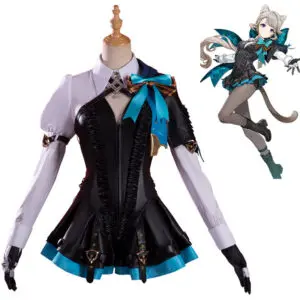
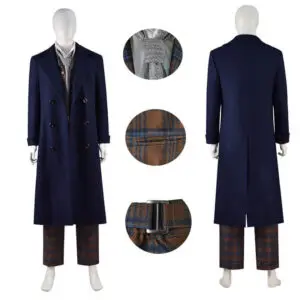
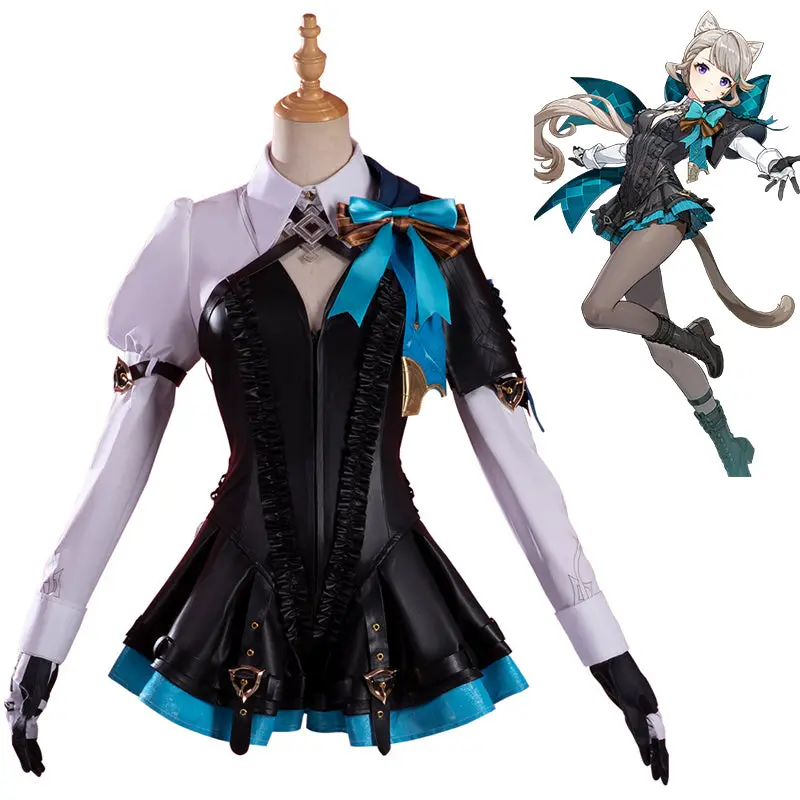
For example, the HEROCOS Genshin Impact Lynette Cosplay Costume Magician Assistant Dress Halloween Party Suit and the HEROCOS 14th Doctor Cosplay Doctor Who Fourteenth New Coat Set Costume can serve as two separate candidates on a planning list. Their listing titles identify the respective costume subjects, but your intended creative interpretation still needs to be established independently.
Give each project a short description covering the character, intended appearance and the overall result you want to achieve. Avoid adding a long accessories list at this stage. You are comparing projects, not completing their individual shopping checklists.
Keep the shortlist manageable. If you have many ideas, start with the projects you genuinely expect to pursue rather than including every costume you have ever saved. A realistic comparison is more useful than a catalogue of possibilities.
- Project name: identify the character or concept.
- Intended appearance: describe the version you want to recreate.
- Personal interest: explain why you still want to make this cosplay.
- Current position: record what you have already decided and what remains open.
Compare four areas of project readiness
Give every shortlisted project four separate assessments. Do not combine them into one impression such as easy, difficult or exciting. Each category identifies a different reason a project might be ready to progress or might need more attention.
First, assess the clarity of the intended character appearance. Can you explain exactly which look you want? A project with an established visual direction is easier to evaluate than one where you are still deciding between several interpretations.
Second, count the unresolved purchasing decisions. Consider whether you have identified the costume you want, settled the relevant selection and established which clothing questions still need answers. An unresolved decision that could change the entire outfit deserves more attention than a minor optional accessory preference.
Third, consider the availability of clothing you already own. Identify wardrobe items that you have actually considered for the intended look. Separate confirmed possibilities from clothing you merely hope might work. Existing clothing is useful only when its role in the project has been established.
Fourth, assess dependence on other people or coordinated creative decisions. A solo project may be independent, while another might require agreement from friends, a photographer or someone creating a shared concept. Record what needs another person's decision before you can proceed.
Use descriptive assessments such as clear, partly resolved and unresolved. The purpose is to expose differences between projects, not to create an artificial mathematical score.
- Creative clarity: is the intended appearance settled?
- Purchasing readiness: which decisions remain unresolved?
- Existing wardrobe: what clothing has a confirmed role?
- Dependencies: whose agreement or contribution is still needed?
Find the decision that could change the entire project
Not every open question deserves equal priority. Some questions concern small finishing preferences, while others could change the costume you ultimately choose. Identify the second type before deciding which project should come first.
For example, you might have a clear idea of the character but still be undecided about which outfit version represents your intended result. That is a fundamental creative question. Purchasing decisions based on one interpretation could become irrelevant if you later choose another.
Create a blocking-decision note for every candidate. Write the unresolved question, explain what decision depends on it and identify the action needed to settle it. If another person must contribute, name the decision they need to make rather than leaving a vague note saying that you need to coordinate.
Then distinguish blockers from optional improvements. A wig preference might remain open without preventing you from deciding on the main costume. By contrast, uncertainty about the actual character appearance may affect the entire clothing plan.
A project should not receive a high priority merely because its shopping research has already started. Consider whether that research has produced meaningful decisions or simply generated more questions.
Worked hypothetical example: Lynette or the 14th Doctor?
Imagine someone deciding between two cosplay projects: the HEROCOS Genshin Impact Lynette Cosplay Costume Magician Assistant Dress Halloween Party Suit and the HEROCOS 14th Doctor Cosplay Doctor Who Fourteenth New Coat Set Costume.
Their initial status is different. For Lynette, they already have a clear creative reference and know which character appearance they want to pursue. For the 14th Doctor, they have not yet settled which overall outfit interpretation they want to recreate. They are interested in both projects, but the Doctor project has an important creative question still open.
They complete the four-part matrix. Lynette receives a clear assessment for creative direction, with fewer unresolved purchasing decisions. The 14th Doctor project receives a partly resolved assessment because the intended appearance still needs clarification. The person also records their existing wardrobe possibilities and any other people's decisions for both projects, without assuming that either product automatically supplies the clothing they need.
The new information comes from reviewing the blocking-decision notes: the Doctor project cannot be meaningfully prioritised until its intended appearance is settled, whereas the Lynette project already has a sufficiently clear creative brief.
The resulting status is Lynette: ready to move into its next purchasing and planning decisions. The 14th Doctor: postponed pending a settled outfit direction. The definite decision is to begin the Lynette project first. This does not mean that its product is easier to purchase, fits better or contains more components. It simply has fewer outstanding creative decisions in this hypothetical comparison.
Keep postponed projects ready for another review
Choosing one project first does not mean giving up the others. Move postponed ideas to a separate list and attach a specific condition to each one. This turns postponement into an intentional decision rather than allowing an unfinished project to disappear from your plans.
For the 14th Doctor example, the reconsideration condition could be: return to the project once the intended outfit appearance has been selected and the main creative reference is clear. Another project might require agreement from a group member or clarification of a particular clothing decision.
Review the list when one of those conditions changes. Do not automatically promote a postponed project simply because you have discovered another product listing or accessory. Reassess its four readiness categories using the same method.
Most importantly, keep your personal enthusiasm in the final decision. A project with fewer outstanding questions is not necessarily the right choice if you no longer feel excited about making it. Prioritise the clearest project that you still genuinely want to create.
The best first cosplay is therefore not necessarily the newest idea, the most ambitious character or the costume with the longest saved shopping list. It is the project whose creative direction is sufficiently clear, whose important decisions are manageable and whose result you still want to bring to life.
EXPLORE THE COSTUMES
Mentioned in this guide
View the current options, size information and selected price on each product page.